











Part 1
Breaking the silence
Chapter 1
Why we don't talk about it
There are subjects we avoid. Intimate bodies are one of them. Not because they're dangerous, but because we were taught it was shameful to talk about them. This silence comes at a cost.
Most adults don't know how to correctly name their anatomy. They don't know the real risks of the hair removal methods they use. They've never had an honest conversation with a healthcare professional about it—because those conversations rarely happen.
Intimate bodies remain the blind spot in health education.
Shame has an address
It starts early. School locker rooms. Comments from people around us. Magazines showing smooth, uniform, "clean" bodies. Movies that never show ordinary bodies. These messages build up before we're old enough to question them.
The result: decisions made out of fear rather than preference. Irritation that goes unreported. Questions left unasked.
The real cost
- Poorly executed hair removal techniques that cause chronic ingrown hairs
- Products used on areas they aren't intended for
- Symptoms ignored for too long out of shame about seeking care
- Choices imposed rather than chosen, under social or relationship pressure
⏱ For those in a hurry
We don't talk about intimate bodies because we were taught that it was shameful. This guide starts from the opposite premise: clear, stigma-free information can concretely improve quality of life. Everything that follows is factual. Nothing is prescriptive.
💡 What no one says
Even healthcare professionals often avoid the subject during consultations. Not out of indifference, but because they lack training in intimate grooming and are concerned about being seen as intrusive. As a result, patients leave with their questions unanswered.
Chapter 2
What social norms have taught us (wrongly)
The idea of the "perfect intimate body" doesn't exist in nature. It was constructed, circulated, and monetized. Identifying the sources helps you take a step back.
Three industries, three vested interests
Pornography shows bodies that have been altered, lit, and filmed for a specific effect. What you see is a production, not a representation. The problem: for many people, it's their main source of images of naked adult bodies.
Advertising needs to make you feel like something is missing so it can sell you a solution. Intimate hygiene product campaigns have historically amplified fears (odor, appearance, "freshness") to create markets that didn't exist.
Social media amplifies what drives engagement—and insecurity drives engagement. Content about "intimate beauty" racks up millions of views by relying on invented standards.
❌ Myth
“You have to remove your hair to be clean.”
Hygiene and hair removal are two different things. Intimate hair isn't inherently dirty. Hair removal is an aesthetic choice. Cleanliness is a matter of washing regularly with lukewarm water.
❌ Myth
“Men don't need to worry about their intimate appearance.”
The pressure to remove hair has long been directed mainly at women, but standards for men have evolved. Today, most men practice some form of intimate grooming — often without appropriate information.
The difference that changes everything
There is a distinction between choosing for yourself and being subjected to a social norm. It isn't always easy to recognize in the moment. The useful question isn't “should I do this?” but “do I want to do this, and why?”
Choosing to remove hair to feel better about your body: valid. Choosing to remove hair to please a partner, because you genuinely want to: valid. Choosing not to remove hair: just as valid. The problem is making that choice out of fear of judgment — because that fear is not a reliable guide.
💡 What no one says
Most dermatologists and gynecologists consulted about intimate irritation find that the problem is caused by an unsuitable hair removal method — not an underlying medical condition. Many consultations for this issue could be avoided with basic information.
Part 2
Understanding your body
Chapter 3
Intimate anatomy
You can't take care of what you don't know. This section addresses the basics.
Female anatomy — the correct terms
The most common confusion: vulva and vagina are not synonymous. The vagina is the internal canal. The vulva refers to all the visible external genital organs.
The vulva includes:
- The mons pubis — the fatty mound covered with pubic hair, above the pubic symphysis
- The labia majora — two skin folds that frame the vulvar opening
- The labia minora — two internal mucosal folds that are thinner and more sensitive
- The clitoris — an erectile organ, of which only the glans is visible, with the rest extending deeper inside
- The vestibule — the area between the labia minora, including the urinary meatus and the vaginal opening
- The perineum — the area between the vulva and the anus
💡 What no one says
There is no anatomical “normal.” The labia minora can extend beyond the labia majora — this is a physiological variation, not a defect. Sizes, colors, and shapes vary considerably from person to person. Labia minora surgery (labiaplasty) is on the rise, often driven by comparisons with retouched images or pornographic standards. This is not neutral information.
Male anatomy — the exact terms
- The foreskin — a fold of skin that covers the glans in uncircumcised men
- The glans — the tip of the penis, highly vascularized and sensitive
- The frenulum — a band of tissue connecting the glans to the foreskin, an especially sensitive area
- The scrotum — the skin sac containing the testicles, with thinner, more reactive skin
- The perineum — the area between the scrotum and the anus
Why it matters
Knowing these terms makes it possible to describe what you observe precisely, use the right products on the right areas, and communicate effectively with a healthcare professional. Anatomy isn’t a subject reserved for doctors.
Chapter 4
The function of intimate hair
Pubic hair isn’t an evolutionary accident. It serves specific functions. Removing it is a valid choice — as long as you understand what you’re changing.
What it actually does
- Mechanical protection — it reduces friction between skin surfaces during movement
- Thermal barrier — it helps regulate the local temperature of the genital area
- Chemical signal — hair retains and disperses pheromones produced by the apocrine glands
- Protection against pathogens — it filters particles and reduces direct exposure of the mucous membranes
What changes when you remove it
Removing hair changes the skin’s environment. Exposed skin is more susceptible to friction, microlesions and infections. This isn’t reason enough to avoid hair removal — it’s information that can help you adapt your technique and aftercare.
💡 What no one says
Removing pubic hair statistically increases the risk of transmitting certain sexually transmitted infections, including molluscum contagiosum and herpes, through microlesions in the skin. This is not a reason to avoid hair removal — it’s something to factor into your routine, particularly when it comes to aftercare and timing before sex.
The skin’s response
After hair removal, the skin enters a recovery phase. The first 24 to 48 hours are the most sensitive: the follicles are open and the skin is reactive. Heat, friction, alcohol-based products and sex increase the risk of irritation during this period.
Chapter 5
The myths that persist
Seven common claims. Seven corrections.
❌ Myth
"Hair-free = cleaner"
Cleanliness is a matter of hygiene, not body hair. Pubic hair does not produce dirt—it can trap sweat, which can be addressed by washing normally with warm water. Hair removal is an aesthetic choice.
❌ Myth
"Wax is less aggressive than a razor"
Both methods carry specific risks. Wax pulls hair out at the root and can cause folliculitis, burns (hot wax), or micro-injuries. A razor cuts at the surface and creates a risk of cuts and irritation if the technique is poor. Neither is objectively "less aggressive"—it depends on the skin and the technique.
❌ Myth
"Laser hair removal is permanent"
Laser hair removal is long-lasting, not permanent. Results vary depending on hair type, skin color, and the equipment used. Most patients need maintenance sessions after the initial treatments. The correct medical term is "long-term hair removal."
❌ Myth
"Men don't need to worry about intimate hair removal"
Men face the same risks of irritation, ingrown hairs, and folliculitis in the pubic and scrotal areas. Scrotal skin is particularly thin and reactive. Men are less often informed about good practices, not because they don't apply to them, but because informational content has long targeted women.
❌ Myth
"Intimate odors are abnormal"
Genital areas have an odor. This is normal. The vaginal microbiome, apocrine glands, and sweat produce odors that vary throughout the cycle and with diet, physical activity, and stress levels. A strong, unusual odor or one accompanied by other symptoms warrants a consultation—not an ordinary odor.
❌ Myth
"Intimate wash provides better hygiene"
The vagina is self-cleaning. Its natural microbiome maintains an acidic pH (between 3.8 and 4.5) that protects against infections. Intimate washes, even "pH-neutral" ones, can disrupt this balance. For the external vulva and perineal area, cleaning with warm water is sufficient. For most people, intimate wash offers no advantage over water.
❌ Myth
"Itching after hair removal is normal and temporary"
Mild sensitivity right after hair removal is normal. Persistent itching (beyond 48 hours), significant redness, pustules, or localized warmth are not. These signs may indicate folliculitis, a contact allergy, or an infection. They deserve attention, not tolerance.
| Myth | Reality | Risk to ignore |
|---|---|---|
| Hair-free = clean | Independent | False sense of necessity |
| Less aggressive wax | Different risks | Folliculitis, burns |
| Permanent laser hair removal | Long-lasting | Disappointed expectations, stopping prematurely |
| Men not affected | Same risks | Lack of information, irritation |
| Unusual odors | Normal | Overwashing, disrupted flora |
| Intimate wash is better | Water is enough | Disrupted vaginal pH |
| Normal itching | Watch out for | Untreated infection |
Part 3
Choose your method
Chapter 6
Overview of methods
Seven methods. Comparable criteria. No universally “best” method — just methods better suited to certain profiles.
📌 Rule of 3
To choose a method, ask yourself three questions: What result do I want? (smooth / short length / just reduced) — What’s my budget? (one-time investment / ongoing / professional) — How well do I tolerate pain? (low / moderate / high). The answers to these three questions immediately rule out 4 of the 7 methods.
| Method | Result duration | Pain | Main risks | Estimated cost |
|---|---|---|---|---|
| Trimmer | 3-7 days | None | Cuts if used incorrectly | €30-80 (one-time) |
| Razor | 1-3 days | Low | Cuts, ingrown hairs, folliculitis | €5-20 / month |
| Cold wax | 2-4 weeks | Moderate | Micro-injuries, folliculitis, rare burns | €3-15 / session |
| Hot wax | 2-6 weeks | Moderate to high | Burns, folliculitis, skin tearing | €25-60 / session (salon) |
| Depilatory cream | 3-7 days | None | Contact allergy, chemical irritation | €5-10 / month |
| Laser (clinic) | Several months to years | Moderate | Burns, dyschromia (dark skin) | €60-200 / session × 6-10 |
| Electrolysis | Permanent (per follicle) | High | Scarring if performed incorrectly | €80-150 / hour |
💡 What no one says
Depilatory creams contain chemical agents (thioglycolate) designed for the body, not mucous membranes. Using them on the vulva, penis, or perianal area can cause severe chemical burns. They are not recommended for intimate areas, despite what some advertisements may suggest.
Chapter 7
Choose based on your profile
The right tool for the right situation. This table helps identify the right method in two columns.
| Profile | Recommended method | Avoid |
|---|---|---|
| Beginner / First hair removal | Trimmer | Hot wax, depilatory cream |
| Sensitive skin or prone to irritation | Trimmer, gentle razor with shaving foam | Wax, depilatory cream |
| Looking for a long-lasting result | Laser (clinic), hot wax | Trimmer, depilatory cream |
| Limited budget | Trimmer (one-time investment), razor | Laser, electrolysis |
| Everyday convenience | Trimmer, razor | Laser (regular appointments), waxing (regrowth time) |
| Bikini area only | Cold or hot wax, razor | Depilatory cream on mucous membranes |
| Full body, even result | Laser (multiple areas) or trimmer + razor | Waxing (time, cost, pain on a large scale) |
| Dark or tanned skin | Trimmer, razor, electrolysis | Laser (except suitable Nd:YAG) — consult a dermatologist |
📌 Skin type and method
Light skin (Fitzpatrick I-III) — all available laser methods. 808 nm diode is the most widely used standard.
Mixed-race skin (Fitzpatrick IV) - diode laser with enhanced cooling or Nd:YAG. A patch test is required before the treatment course.
Dark skin (Fitzpatrick V-VI) - Nd:YAG 1064 nm only. Alexandrite laser is contraindicated due to the risk of burns and depigmentation.
If you’re unsure of your phototype, a doctor or qualified practitioner can assess it before you choose a technology.
Part 4
Practical guide
Chapter 8
The trimmer - complete routine
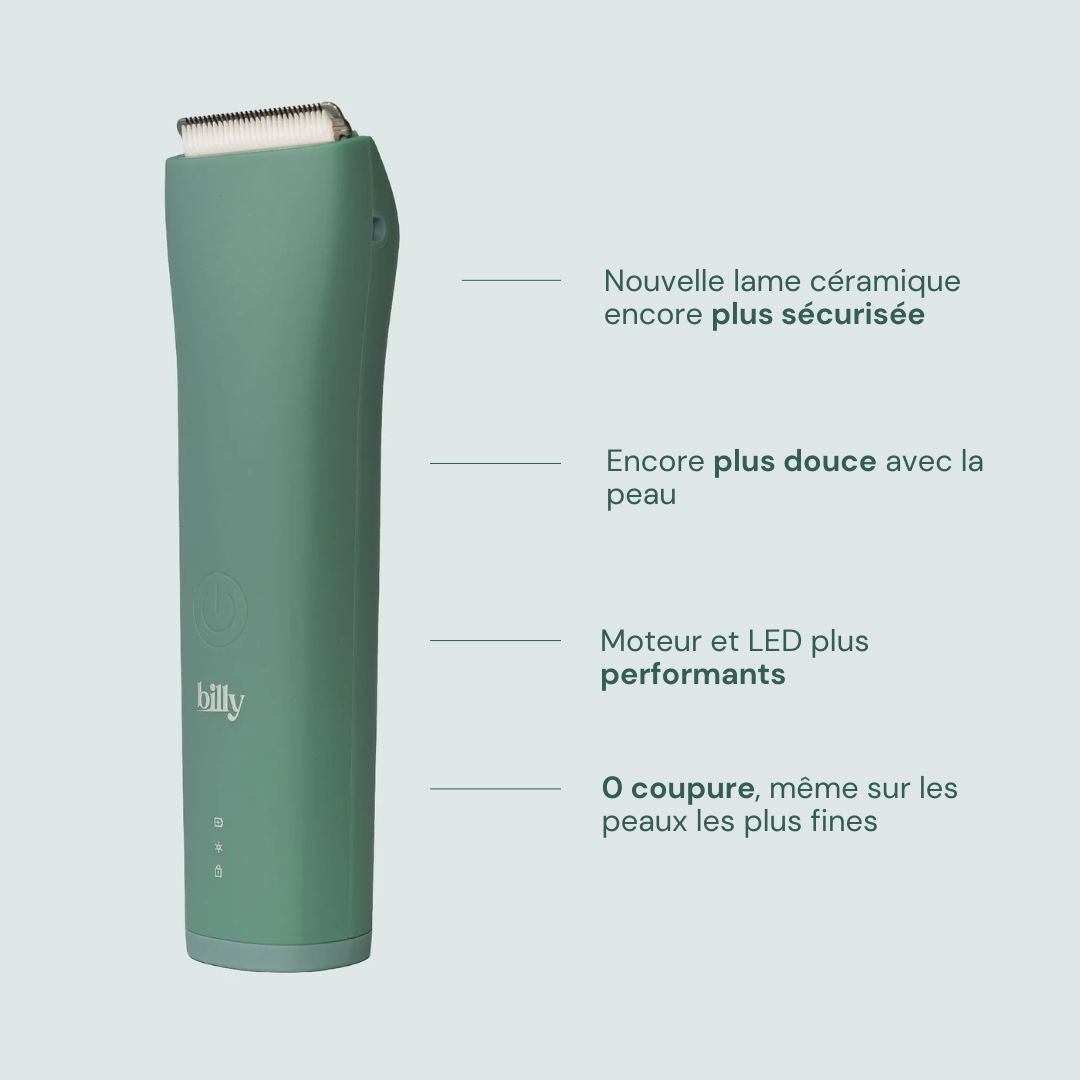
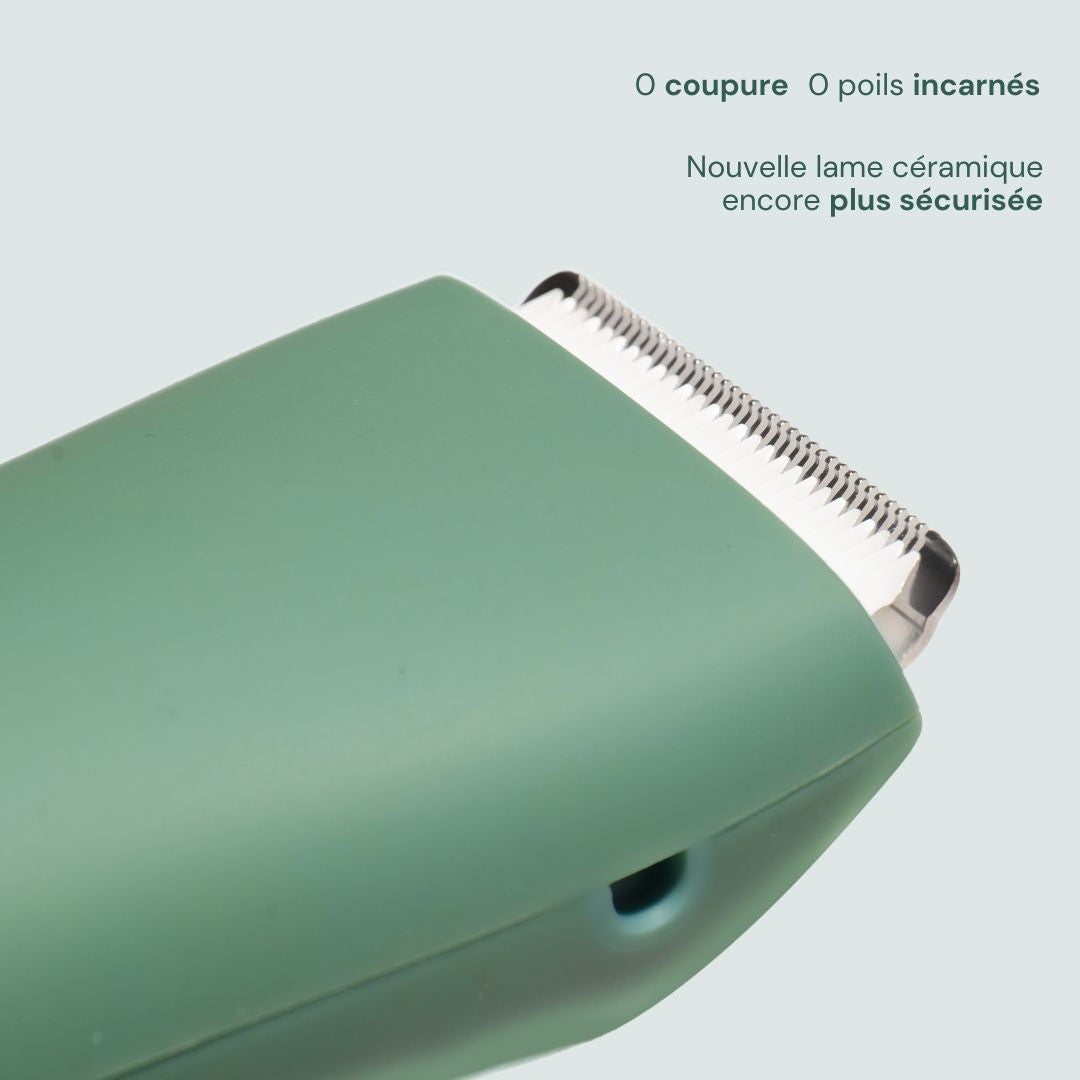
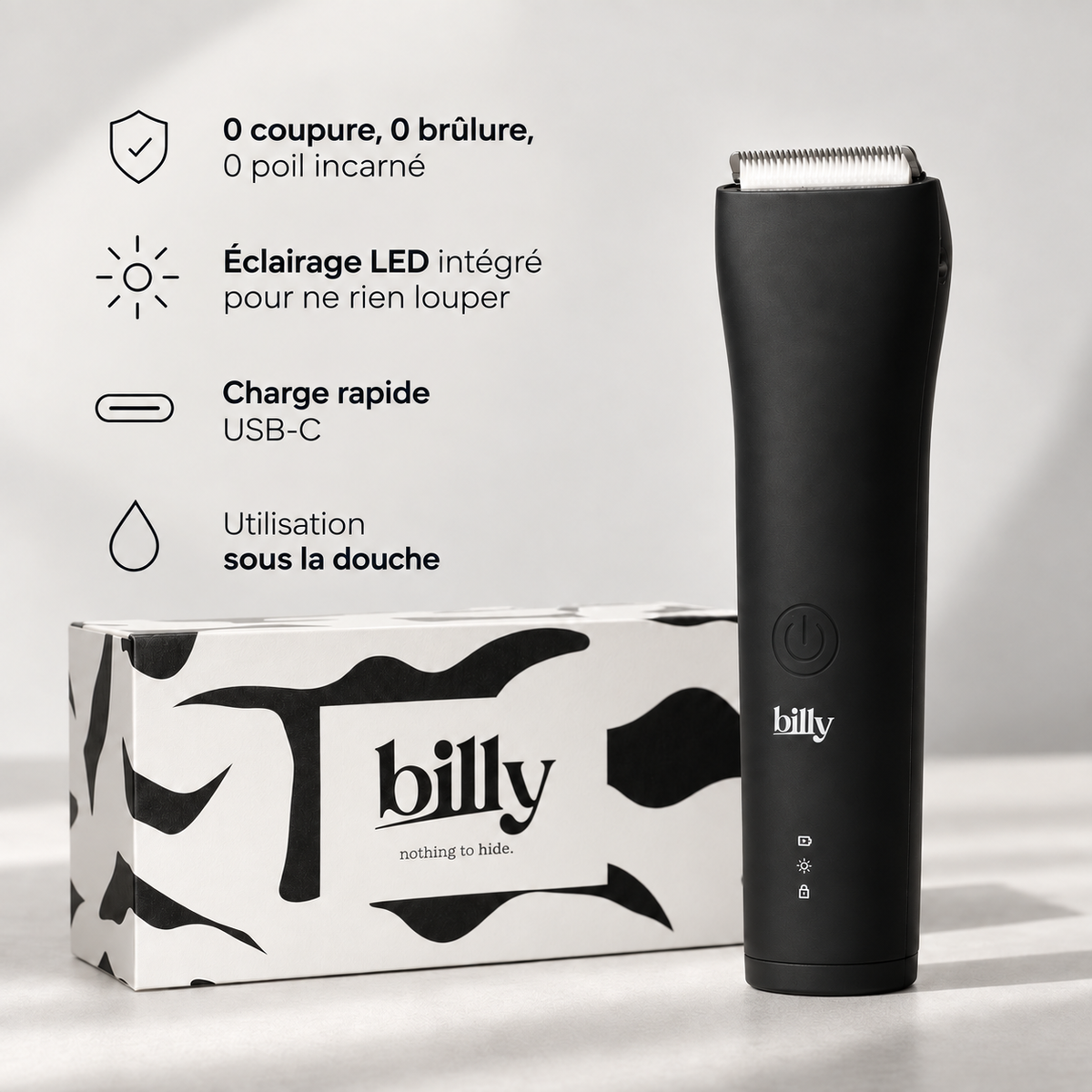
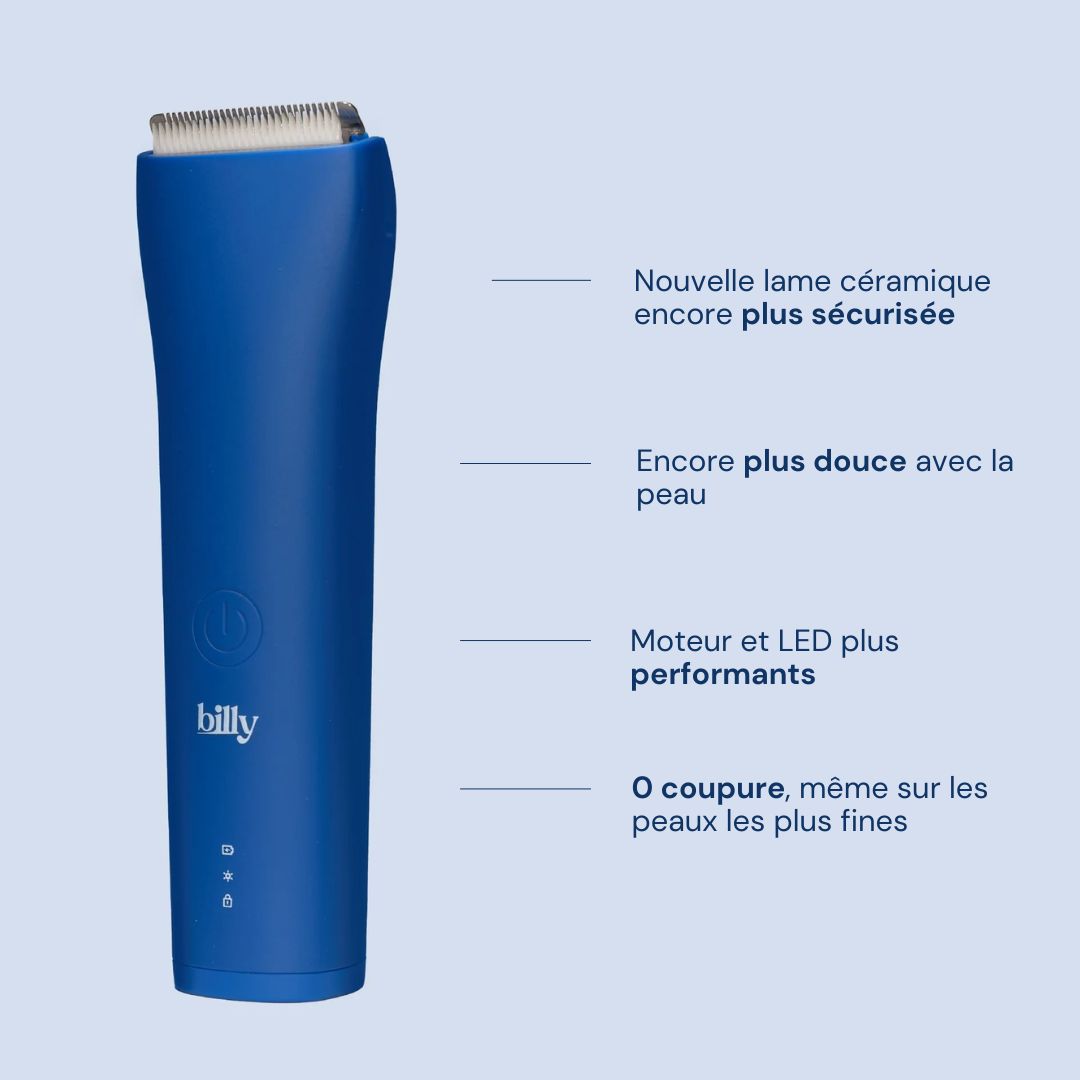
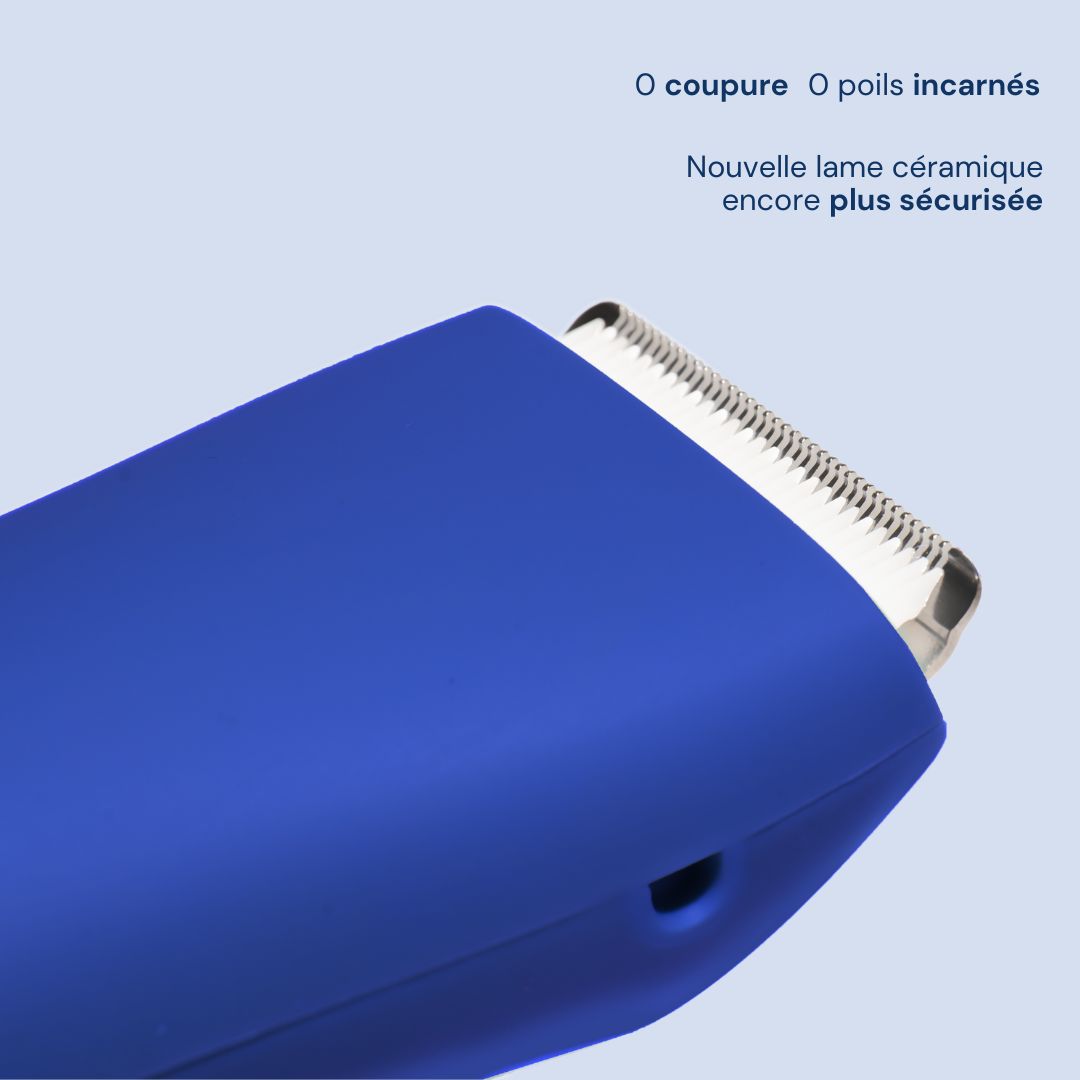
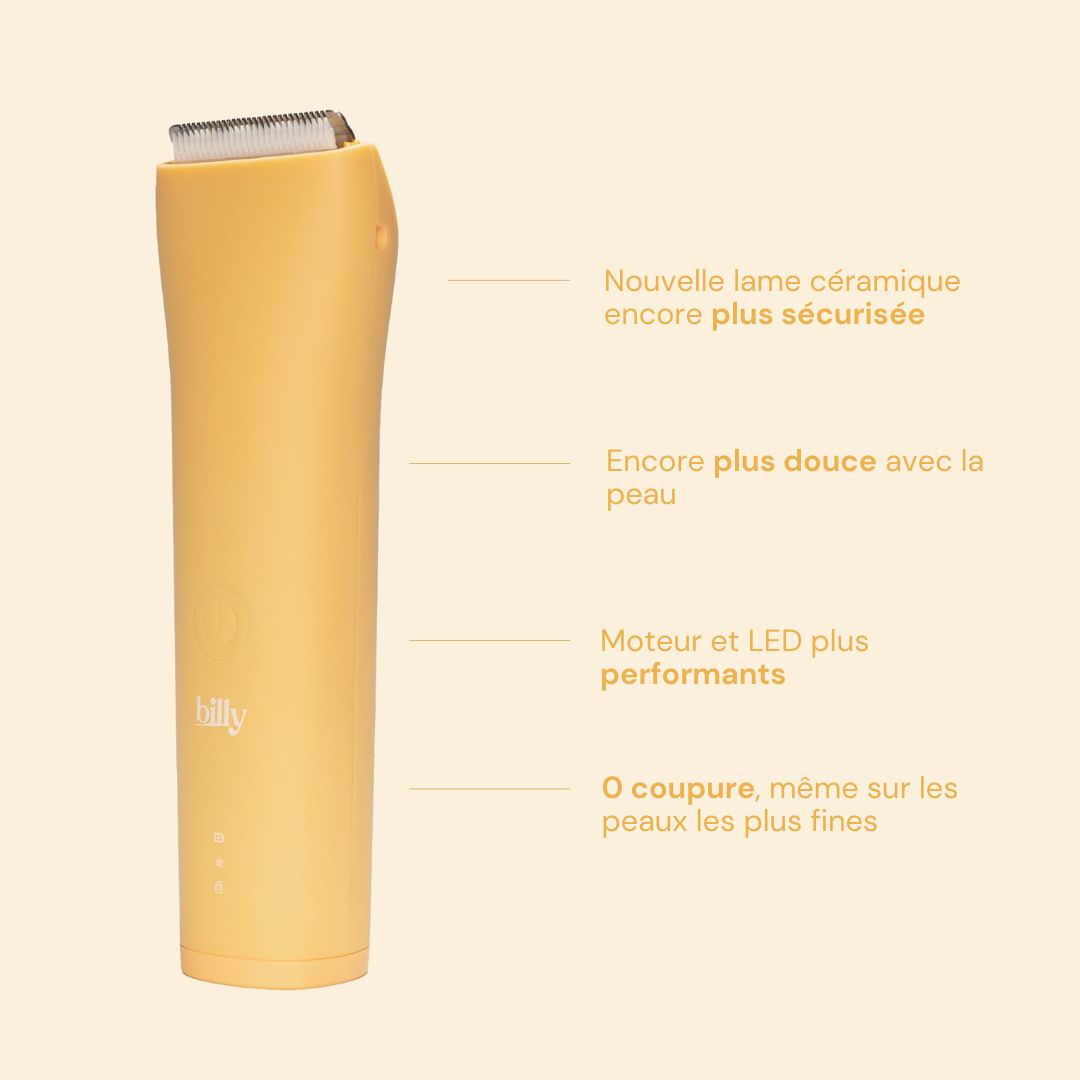
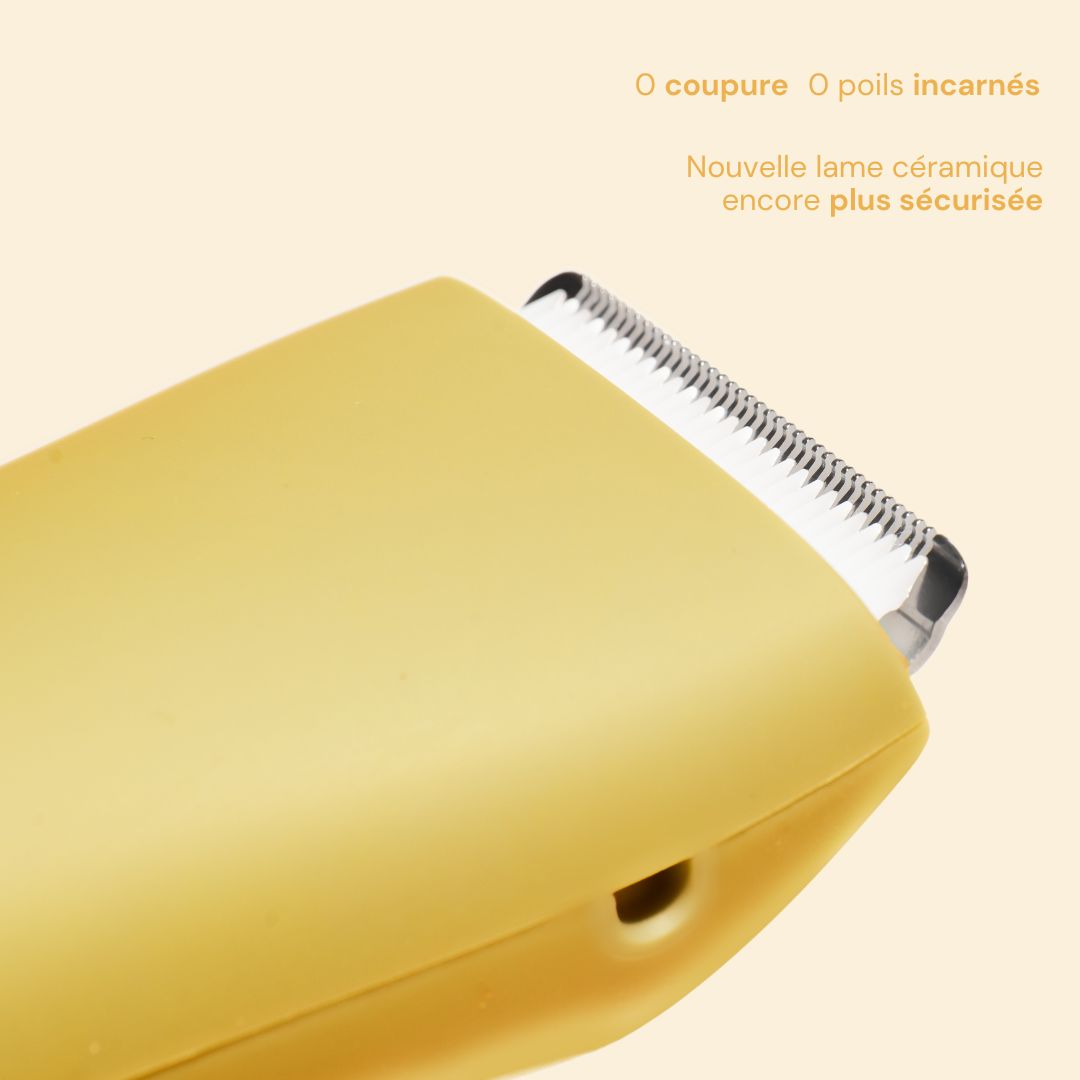
A trimmer is the safest place to start. No direct contact with the skin, no chemicals, immediate results. It cuts hair above the skin’s surface - the risk of cuts is virtually zero when you use the right blades and settings.
⏱ For those in a hurry
Clean trimmer + dry skin + suitable guard = no risk of cuts. The rest is covered in the details below.
Choosing a trimmer
- Floating head - recommended for the pubic area and scrotum; follows the contours
- Stainless steel blades - more durable and less likely to cause allergic reactions than coated blades
- Waterproof - easier to clean and safe to use in the shower
- Adjustable guards - at least 0.5 mm to 3 mm
8-step routine
- Clean the trimmer before use - brush the blades and apply a few drops of mineral oil to the teeth
- Adjust the guard - start at 3 mm for the first pass, then adjust
- Clean, dry skin - don’t use on damp skin (unless you have a waterproof trimmer designed for it)
- Keep the skin taut with your free hand - essential in areas with folds (scrotum, groin)
- Trim against the direction of growth for a closer trim, or with the direction of growth for less irritation
- Work in sections - left groin, right groin, central area, perineum if desired
- Rinse with lukewarm water to remove trimmed hairs - avoid soap for the first few hours
- Apply a light, alcohol-free lotion if your skin is sensitive
The most common mistakes
- Use a facial trimmer on intimate areas - its blades aren’t designed for this hair density
- Forget to clean the blades between uses - risk of infection if microlesions are present
- Trim without a guard on skin that isn’t taut - the only way to cut yourself with a trimmer
- Apply an alcohol-based aftershave immediately - the skin reacts even when there’s no visible damage
Chapter 9
The razor - an 8-step routine
A razor provides a close shave. That’s its only real difference from a trimmer. In return, direct contact with the skin requires more precise technique.
💡 What no one says
Shaving against the direction of hair growth gives a closer result but triples the risk of ingrown hairs in the following weeks. For intimate areas, it's better to shave in the direction of hair growth and go over the area once more to even things out, rather than shaving against the direction of growth in a single pass.
Choosing your razor
3 to 5 blades for curved areas. A pivoting head. Change the blade every 5 to 7 uses — a dull blade pulls the hair instead of cutting it, directly causing ingrown hairs.
- Exfoliate the day before — not on the same day, to avoid further irritating the skin
- Take a 5-minute hot shower before shaving — opens the follicles and softens the hair
- Apply shaving gel or foam — never dry, never with regular soap
- Stretch the skin — essential for areas with folds
- Shave in the direction of hair growth first — one slow stroke, without pressure
- Rinse the blade between each stroke — hair and cream clog the blades and reduce their effectiveness
- Shave against the direction of hair growth if needed — only if the result is unsatisfactory
- Rinse with cold water, pat dry (never rub), and apply an alcohol-free treatment
The 48 hours after shaving
For 48 hours afterward: avoid prolonged hot baths, tight synthetic clothing, and sexual intercourse if there are any microlesions. The skin is recovering.
Chapter 10
Wax, laser and natural methods
Wax — two types, two approaches
Cold wax (strips): quick and easy to use, suitable for the groin and bikini area. It pulls hair in the direction of growth, reducing the risk of hair breakage. Results last 2 to 3 weeks.
Hot wax: better grip on short, fine hairs and a cleaner result. Risk of burns if the temperature isn't tested. In a salon: optimal results. At home: master the technique before using it on sensitive areas.
Waxing protocol — key points
- Minimum hair length: 3-5 mm — shorter than that, the wax won't grip properly
- Clean, dry skin, with no cream or oil
- Apply in the direction of hair growth, remove against the direction of growth
- Press firmly on the area after pulling out the hair to reduce pain
- Exfoliate 48 hours later (not before), moisturize starting the next day
Laser hair removal — how it works
The laser targets the melanin in the hair follicle. A pulse of light heats and destroys the active follicle. Result: hair does not grow back (or grows back very little) from that follicle. But follicles go through cycles—multiple sessions are needed to treat the same area at different stages.
Who is a candidate: people with a contrast between dark hair and light skin (Fitzpatrick skin types I to IV). Very dark skin (V-VI) requires a suitable laser (Nd:YAG 1064 nm) — consult a dermatologist.
❌ Myth
At-home laser devices (IPL, LLLT) are not equivalent to in-office medical laser treatment. Their power is regulated for consumer use — results are less predictable and more sessions are needed. This is not a bad option, just a different one.
Letting it grow: a valid option
Doing nothing is not the default choice you lacked the courage to change. It is a choice. Having pubic hair is the natural anatomical state. Care comes down to ordinary hygiene.
The only criterion for evaluating your choice: is it coming from me, or from fear of being judged?
Part 5
Problems and solutions
Chapter 11
Ingrown hairs — prevention and treatment
Ingrown hairs are not inevitable. They happen when a cut or plucked hair cannot break through the skin's surface and grows beneath the skin. The visible result: a red bump, sometimes painful, sometimes with a whitehead.
Why it happens
- Hair shaved against the direction of growth — the pointed tip "catches" under the skin
- Follicle blocked by dead skin cells — insufficient exfoliation is the most common cause
- Skin that is too dry — keratin builds up and blocks the hair from emerging
- Tight clothing immediately after hair removal — friction pushes the hair back into the skin
❌ Myth
"You need to pierce the ingrown hair with a needle or pin."
Piercing the skin without sterile equipment introduces bacteria into the follicle. Most ingrown hairs resolve on their own with a good exfoliating and moisturizing routine. Manual intervention is only appropriate when the hair is visible beneath a thin layer of skin — and must be done with a sterile needle, never with your fingernails.
7-step treatment
- Do not touch or squeeze for the first 48 hours
- Apply a warm compress twice a day for 5 minutes — it softens the skin and helps the hair rise to the surface
- Apply a gentle exfoliant (glycolic or salicylic acid at a low concentration) to the area
- Moisturize after every cleanse
- If the hair is visible under the skin: use a sterile needle to gently free the hair — without squeezing
- Disinfect with chlorhexidine (not pure alcohol)
- If the area becomes red, swollen, or produces pus after 5 days: seek medical attention
Prevention
- Exfoliate twice a week, but not during the 48 hours after hair removal
- Moisturize daily
- Change razor blades regularly
- Wear loose-fitting cotton for 48 hours after hair removal
- Use a glycolic or salicylic acid product if you are prone to ingrown hairs
Chapter 12
Irritation and redness — diagnostic table
Not all redness is the same. This table helps identify the probable cause before looking for treatment.
| Symptom | Probable cause | Action | Seek medical advice if… |
|---|---|---|---|
| Immediate diffuse redness after hair removal | Normal mechanical irritation | Cold compress, no product | Lasts longer than 4 hours |
| Small pustules at the base of the hairs | Bacterial folliculitis | Gentle antiseptic, avoid hair removal | Spreading, fever, heavy pus |
| Redness with intense itching and burning | Contact allergy (latex, fragrance, preservative) | Stop using the product causing it, take an antihistamine | Swelling, difficulty urinating |
| White patches with itching | Candidiasis (Candida infection) | Antifungal treatment from a pharmacy (after confirmation) | Frequent recurrence (>3/year) |
| Unusual discharge with a strong odor | Bacterial vaginosis or STI | Seek medical attention without delay | Always seek medical advice for this symptom |
| Localized burn after using hair removal cream | Chemical burn (thioglycolate) | Rinse thoroughly with water, no alcohol | Persistent pain, blisters |
| Dry skin and tightness across the entire pubic area | Xerosis (chronic dry skin) | Daily moisturizing (fragrance-free emollient) | Cracks, bleeding |
| Red, hot, swollen area that's painful to the touch | Abscess or bacterial cellulitis | Urgent medical attention | Always — don't wait |
⏱ For those in a hurry
Redness that clears up within 2-4 hours after hair removal: normal. Redness accompanied by pustules, intense itching, discharge, or localized warmth lasting more than 48 hours: treat it or see a doctor.
Chapter 13
Dryness, odors, and hygiene
Three topics that the cosmetics industry has turned into insecurities. The reality is less complicated.
The vaginal microbiome
The vagina is home to a bacterial ecosystem dominated by Lactobacillus, bacteria that maintain a protective acidic pH (3.8-4.5). This balance is easily disrupted. Things that disrupt it:
- Internal vaginal douching — the most common cause of bacterial vaginosis
- Alkaline soaps used internally
- Broad-spectrum antibiotics
- Unprotected sex (semen has an alkaline pH)
- Chronic stress, hormonal changes
💡 What no one says
The vagina is self-cleaning. Clear or whitish discharge without a strong odor or irritation is normal — it consists of vaginal cells renewing themselves. Bringing it up with your doctor can prevent unnecessary appointments due to anxiety and unwarranted treatment.
Intimate odors — a guide to understanding them
- Slightly acidic odor — normal, a sign of a healthy microbiome
- Odor that varies with your cycle — normal, influenced by hormones
- "Fishy" odor after your period or sex — may indicate bacterial vaginosis (seek medical advice)
- Strong, unusual odor with abnormal discharge - seek medical advice promptly
- Sweat odor - normal, linked to the apocrine glands in the groin area
The minimal hygiene rule
Outside (vulva, scrotum, perineum): lukewarm water 1 to 2 times a day, mild unscented soap on the folds if needed. Pat dry.
Inside (vagina): nothing. Water naturally gets in during a shower - that's enough.
Dryness and hydration
Pubic skin can become dry, particularly after frequent hair removal. An unscented emollient (shea butter, jojoba oil, 5% urea cream) applied daily is sufficient in most cases. Avoid products containing alcohol, menthol, or “cooling” agents.
Vaginal dryness (of the mucous membranes) is a different issue to discuss with a doctor - it may be hormonal, and specific treatments are available.
Chapter 14
When to seek medical advice
A medical consultation is not an admission of failure. It's the right decision at the right time.
8 situations that call for medical advice
- Redness, swelling, or pain that persists for more than 5 days after hair removal
- Multiple pustules or a developing abscess (a warm, swollen, painful area)
- Bleeding unrelated to an identified cut
- Discharge with a strong, unusual odor or change in color
- Persistent itching not relieved by usual measures
- Warts, lesions, or unusually shaped growths
- Persistent pain during sex
- Vaginal dryness that affects daily life
Which specialist to see
- Dermatologist - irritation, folliculitis, contact allergies, complicated ingrown hairs, checking skin lesions
- Gynecologist - discharge, odors, pain, vaginal dryness, recurring yeast infections
- Urologist - urinary pain, penis-related problems, recurring infections
- General practitioner - a starting point if you don't know whom to see
A doctor who fails to examine you during an intimate exam or minimizes your symptoms without examining them is not a good person to talk to about this. Seeking a second opinion is a legitimate option.
Part 6
Body, confidence, and relationships
Chapter 15
Body, confidence, and self-image
The way we relate to our intimate body is rarely neutral. It carries years of messages - some helpful, many not.
The image of the intimate body
The image we have of our intimate body is often shaped by comparison - with images seen in contexts that do not represent reality. Pornography, advertisements, “transformation” posts on social media. These images have one thing in common: they are selected, often edited, and never representative of real anatomical diversity.
The practical consequence: many people think their body is abnormal when it is simply different from the images they’re exposed to. That’s information, not a diagnosis.
Choosing for yourself—the question of motivation
Intimate grooming can come from several different places:
- Personal comfort—feeling better in your skin with a body groomed according to your own standards
- Aesthetic preference—liking the look of a certain amount of body hair or its absence
- Partner’s pleasure—choosing to care for your body in a way that pleases the other person because you want to
- Perceived hygiene—some people feel more comfortable with less body hair
💡 What no one says
Choosing to care for your body in a way that pleases your partner is a perfectly valid choice—as long as it’s a choice. The difference between “I do this because making them happy makes me happy” and “I do this because I’m afraid they’ll leave if I don’t” isn’t always obvious. But it’s real. One builds confidence; the other erodes it.
What helps and what doesn’t
What helps: unfollowing accounts that amplify insecurity, looking at your body in normal lighting (not a magnifying mirror), noting what works well rather than what meets a standard.
What doesn’t help: comparing yourself in real time during sex, focusing on one area during a medical appointment, judging yourself by standards that change with trends.
Chapter 16
Social Pressure and the Media
Standards for intimate body hair don’t come out of nowhere. They are produced, circulated, and maintained. Understanding how they work can help you break free from them.
Where standards come from
For most of the 20th century, standards for women’s body hair were limited to the legs and underarms. Complete pubic hair removal is a recent trend—widely spread by pornography in the 1990s and 2000s, then normalized in magazines and beauty advertising. This isn’t a natural evolution in preferences: it’s a market that was created.
For men, the rise of intimate hair removal dates back to the 2010s, driven by fitness magazines and sports cultures where reduced body hair is associated with performance.
❌ Myth
"Beauty trends reflect what people really want."
Beauty trends reflect what the beauty, fashion, and entertainment industries have an interest in promoting. Individual preferences exist—but they are shaped by repeated exposure to curated images. Being aware of this mechanism doesn’t mean rejecting it outright: it means the choice belongs more to the person who is aware of it.
L’algorithme et le corps
Recommendation algorithms amplify whatever drives engagement. Insecurity drives engagement. Content about intimate "corrections," "transformations," and "beauty secrets" gets millions of views precisely because it exploits a vulnerability.
It's not a conspiracy — it's a business model. Being aware of it allows you to consume differently.
Recognizing a disguised trend-driven expectation
- It uses the language of "health" to justify an aesthetic standard
- It creates a problem ("intimate odor") before offering a solution ("special soap")
- It targets an existing insecurity and amplifies it
- It presents an aesthetic choice as a hygiene or medical requirement
Chapter 17
Communication with your partner
Intimate preferences in a relationship are open to discussion. Not always easily. Here's what helps.
Expressing preferences without prescribing
There's a difference between sharing what you like and imposing what the other person should do. The first enriches a relationship. The second undermines the other person's trust and self-esteem.
Express a preference: "I like it when you…" or "I really appreciate…". Make a request: "Would you be okay with…". Both leave room for the other person. An unspoken expectation that turns into a reproach does neither.
📌 Rule of 3
Three principles for a healthy conversation about intimate preferences:
1. Explain why, not just what — "I like it because it gives me more sensation" is easier to accept than "I prefer it this way."
2. Accept a refusal without turning it into a reproach — no one is obligated to match all your preferences.
3. Don't bring up the same subject three times — if the answer is no, it's no. Insisting turns a conversation into pressure.
When the pressure comes from the other person
If a partner makes a request that makes you uncomfortable, here are a few things to keep in mind:
- A request leaves room for refusal. Pressure doesn't.
- Changing your body to feel better in the relationship: valid if it's your choice.
- Changing your body to avoid conflict or punishment: it's a sign that the problem isn't with your body.
A partner who loves you adapts to your body. They don't ask you to adapt to their image of an ideal body.
Chapter 18
Practical resources
Professionals to consult
⏱ For those in a hurry
Dermatologist — irritation, allergies, skin lesions, and complicated ingrown hairs.
Gynecologist — anything related to mucous membranes, discharge, pain, and dryness.
Sex therapist — body image, confidence, communication with your partner, dyspareunia.
Cosmetic doctor — laser, long-lasting hair removal, choice of method based on skin phototype.
What to look for in a good professional
- It listens without dismissing aesthetic concerns
- It examines before drawing conclusions
- It explains things in accessible language
- It does not assume your practices or preferences
- It offers alternatives, not a single protocol
Products: what matters in a formula
- Gentle external cleanser: pH close to that of the skin (5.5), free of harsh sulfates and synthetic fragrance
- Pubic moisturizer: alcohol-free emollient, without menthol or a “cooling effect”
- Gentle exfoliant: glycolic acid 5-10% or salicylic acid 0.5-2%; no physical scrubs on intimate areas (risk of micro-injuries)
- Post-hair-removal care: panthenol, aloe vera, bisabolol — all gentle anti-inflammatories
- Antiseptic spray: chlorhexidine 0.05-0.1% — alcohol-free — for mild folliculitis
Reliable information sources
- Peer-reviewed dermatology journals (JAAD, JEADV)
- National professional societies (French Society of Dermatology, CNGOF)
- ANSM information sheets on cosmetic products
- PubMed for clinical studies
💡 What no one says
Most “expert advice” about intimate areas on social media comes from brands, influencers paid by those brands, or people without medical training. That’s no reason to dismiss everything — it’s a reason to check the source before following the advice.
Conclusion
What this guide does not do
This guide does not prescribe anything. It does not tell you what your body should look like. It does not recommend one method over another in absolute terms. It does not take a position on what you should or should not do.
What it does: provide clear, nonjudgmental information on a subject that lacked it. The rest is up to each person.
Information is not an instruction. Knowing how intimate areas of the body work and the risks of each method helps you make an informed choice — whatever that choice may be.
If this guide raised a question you didn’t dare ask, put words to something confusing, or simply helped you feel less alone with a subject that remains taboo — then it has done what it was written to do.
Next step: a doctor, dermatologist, gynecologist, or sex therapist — depending on your needs. Use this guide as a starting point, not a substitute.
Appendix 1 — Glossary
| Term | Definition |
|---|---|
| Hair follicle | Skin structure in which hair grows. When inflamed, it causes folliculitis. |
| Folliculitis | Infection or inflammation of the hair follicle, often appearing as small red pustules at the base of the hair. |
| Keratosis pilaris | Keratin buildup in hair follicles, causing small, rough bumps. Not infectious and often mistaken for an allergy. |
| Ingrown hair | A hair that fails to break through the skin's surface and grows beneath the skin, causing an inflammatory reaction. |
| Vaginal microbiome | Community of microorganisms living in the vagina, mainly Lactobacilli, which maintain a protective acidic pH. |
| Vaginal pH | Measure of the acidity of the vaginal environment, normally between 3.8 and 4.5. A high pH encourages the growth of pathogens. |
| Bacterial vaginosis | Imbalance in the vaginal microbiome (not an STI). Causes discharge with a fishy odor, especially after sex. |
| Candidiasis | Fungal infection caused by Candida albicans. Symptoms: thick white discharge, itching, burning. Antifungal treatment. |
| Epithelium | Tissue covering the body's internal and external surfaces. Mucous membranes are moist epithelia. |
| Phototype | Classification of skin according to its reaction to the sun (Fitzpatrick scale, I to VI). Determines compatibility with laser treatment. |
| Xerosis | Chronic dry skin. In the pubic area, it can cause itching and tiny cracks. |
| Pruritus | Itching. A symptom, not a diagnosis — the cause may be mechanical, infectious, allergic, or hormonal. |
| Dyspareunia | Pain during sexual intercourse. May have mechanical, infectious, or psychological causes. Should be evaluated by a healthcare professional. |
| Chlorhexidine | Broad-spectrum antiseptic that is gentle on the skin. Preferred to alcohol for disinfecting genital areas. |
| Glycolic acid | Alpha hydroxy acid (AHA) used for gentle chemical exfoliation. Effective in preventing ingrown hairs at low concentrations (5-10%). |
Appendix 2 — Contacts and resources
| Resource | Type | Access |
|---|---|---|
| French Society of Dermatology (SFD) | Medical society | sfdermato.org — directory of dermatologists |
| French National College of Gynecologists and Obstetricians (CNGOF) | Medical society | cngof.fr — informational resources |
| National Institute of Health and Medical Research (Inserm) | Public research | inserm.fr — public-friendly disease information |
| French Federation of Sexology and Sexual Health (F2SSH) | Professional association | f2ssh.fr — directory of sexologists |
| ANSM — National Agency for the Safety of Medicines | Regulatory authority | ansm.sante.fr — alerts and product information |
| Fil Santé Jeunes | Helpline | 0800 235 236 — anonymous and free (ages 13-25) |
| PubMed | Medical database | pubmed.ncbi.nlm.nih.gov — open-access clinical studies |
| Orphanet | Rare disease database | orphanet.net — for unexplained recurrent symptoms |
This guide is for informational purposes and does not replace medical advice. For any persistent symptoms, consult a healthcare professional.


Share on your networks: