












There are few topics as universal and yet as rarely discussed. Frankly, who hasn't had that slight doubt at the end of the day, between two showers, about that specific area? The good news is that in the vast majority of cases, a slight odor is physiological and nothing to worry about.
In 2026, it's time to talk about it simply, directly, and without guilt. We'll explain what truly plays a role, and especially how to distinguish a normal odor from a signal that warrants medical advice.
Where do intimate odors in men really come from?
Multiple accumulating factors
There isn't a single cause, but a combination of factors that add up. General perspiration, maceration due to non-breathable clothing, physical activity, and overall hygiene level all play a role, often more than any single factor taken in isolation.
The intimate area also has specific sweat glands that produce sweat different from that of the rest of the body. This is one factor among others, not the sole explanation, and it almost always combines with the daily elements mentioned above.
The role of body hair
Body hair itself doesn't smell. The problem is that it can trap sweat and moisture against the skin, giving naturally present bacteria more time to multiply.
The denser the hair and the less ventilated the area, the more pronounced this retention effect. Again, this is one factor among others, to be combined with appropriate hygiene rather than considered in isolation.
Normal odor or a sign to consult: how to tell the difference
A discreet odor at the end of the day, which fades after showering, clearly falls within the normal physiological range. This is the case for the vast majority of men, to varying degrees depending on individual perspiration and activity.
However, some signs are no longer just about hygiene. An odor that changes suddenly, becomes unusually strong or different, persists despite careful washing, or is accompanied by itching, burning, redness, or unusual discharge, are signals that warrant medical advice rather than a home remedy.
An odor linked to prolonged maceration (sportswear kept on for too long, abundant uncleaned perspiration) is generally distinguished from an odor linked to irritation, infection, or an imbalance of the local flora. Only a healthcare professional can truly differentiate between these different origins.
Can trimming help? What we can honestly say
Practically speaking, the logic holds: less hair often means less trapped moisture and easier daily hygiene. This is plausible and aligns with feedback from many users.
However, we must be honest: this is not a medically validated solution for intimate odors. Healthcare professionals' recommendations on this topic primarily focus on hygiene, the balance of local flora, and the identification of potential infectious causes, not on hair trimming as such.
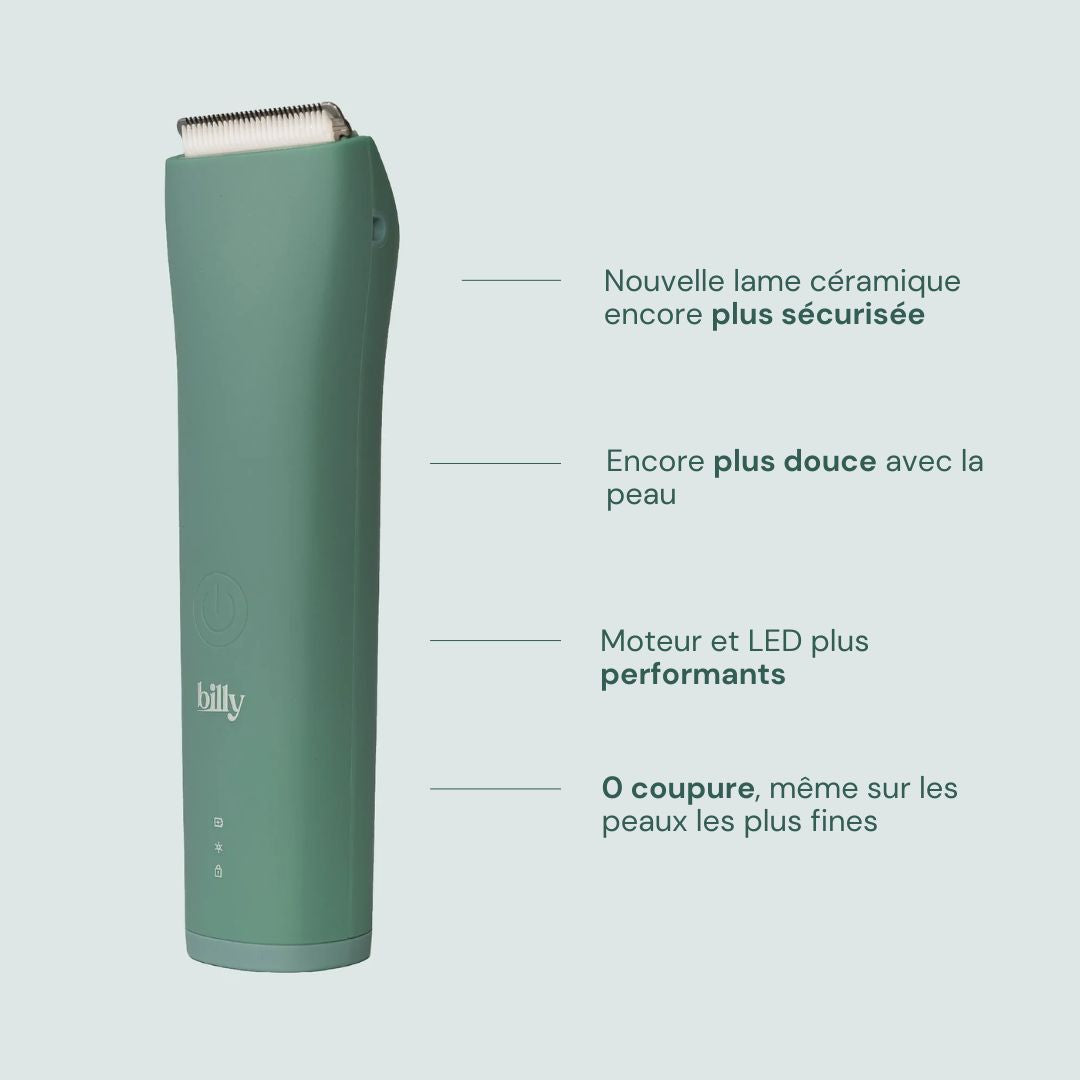
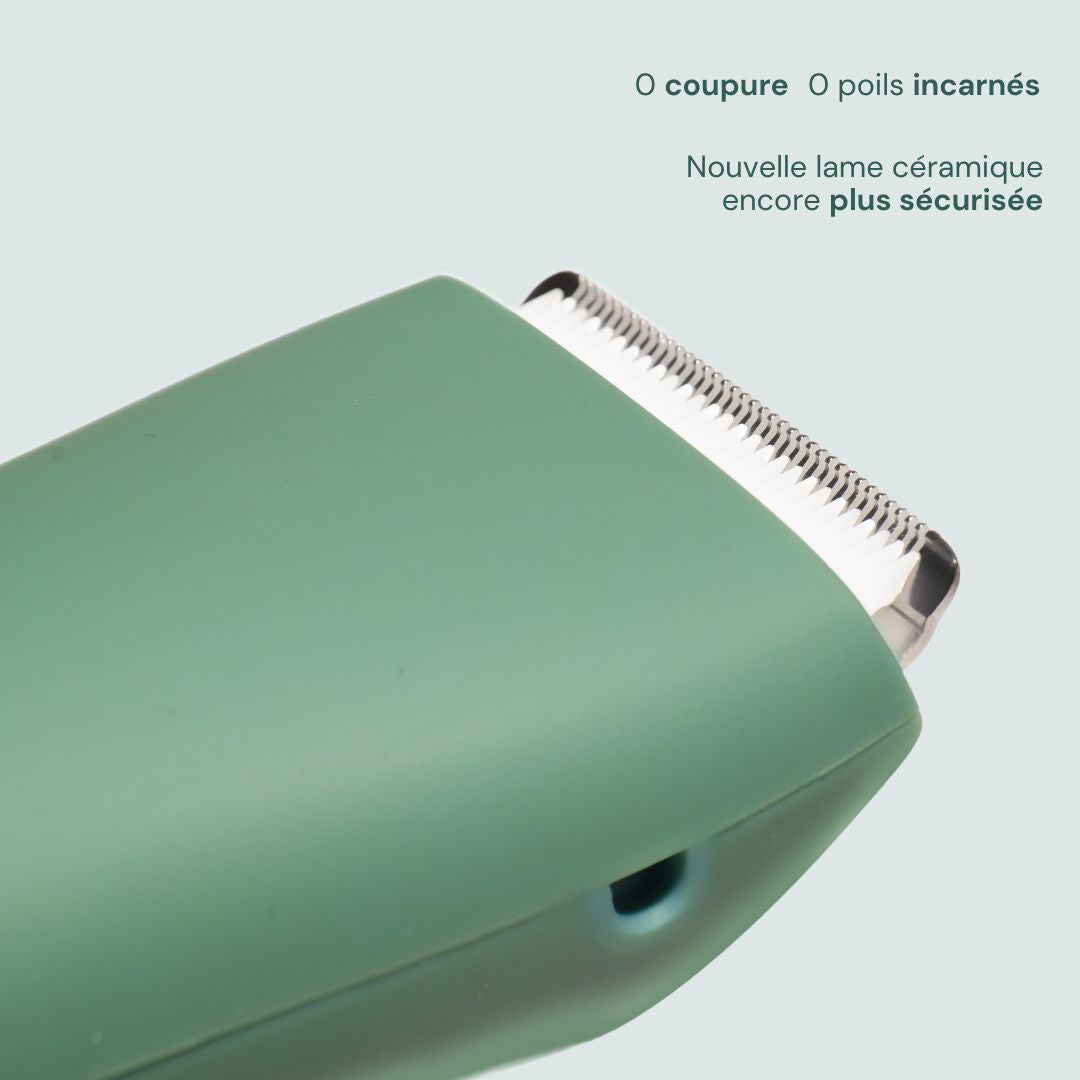
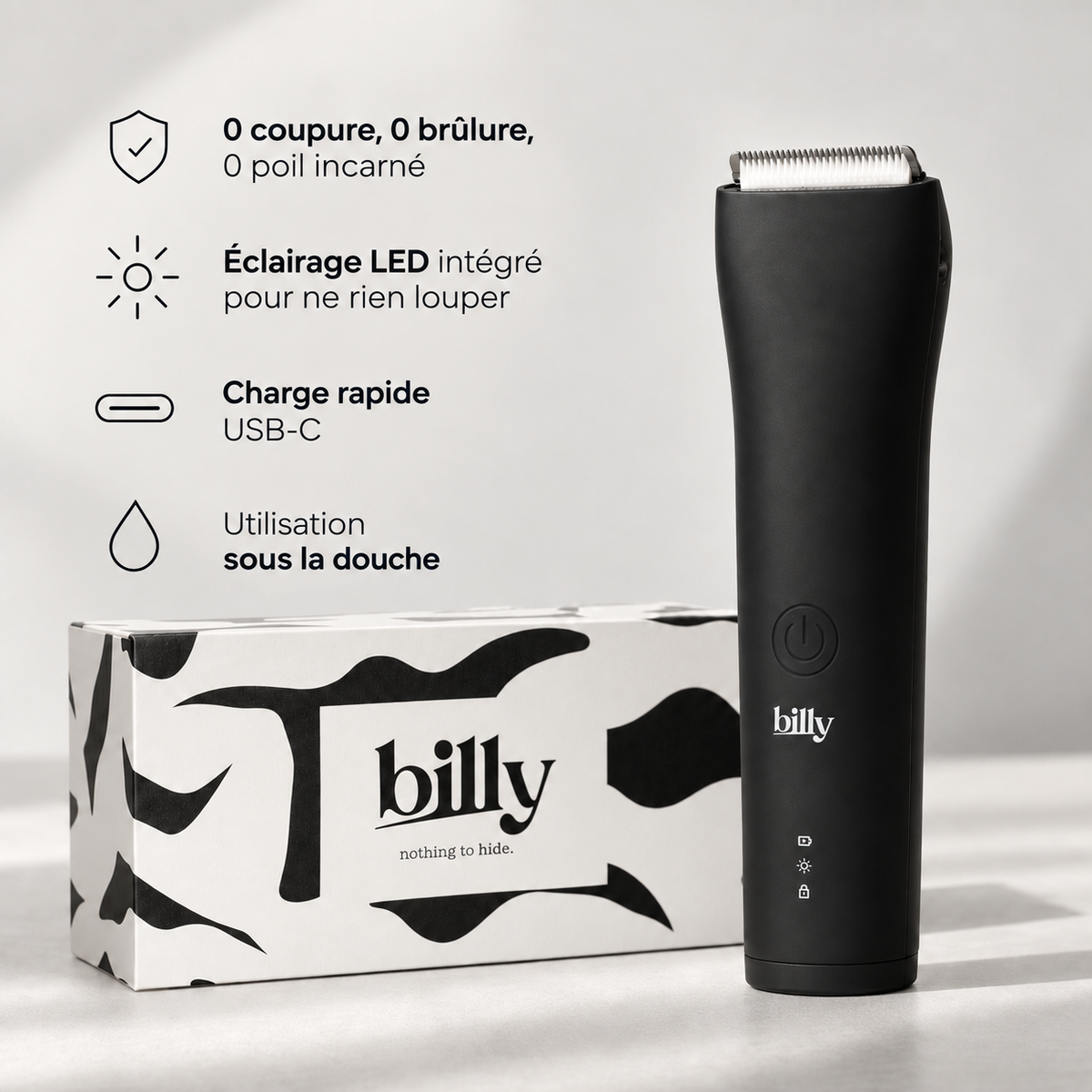
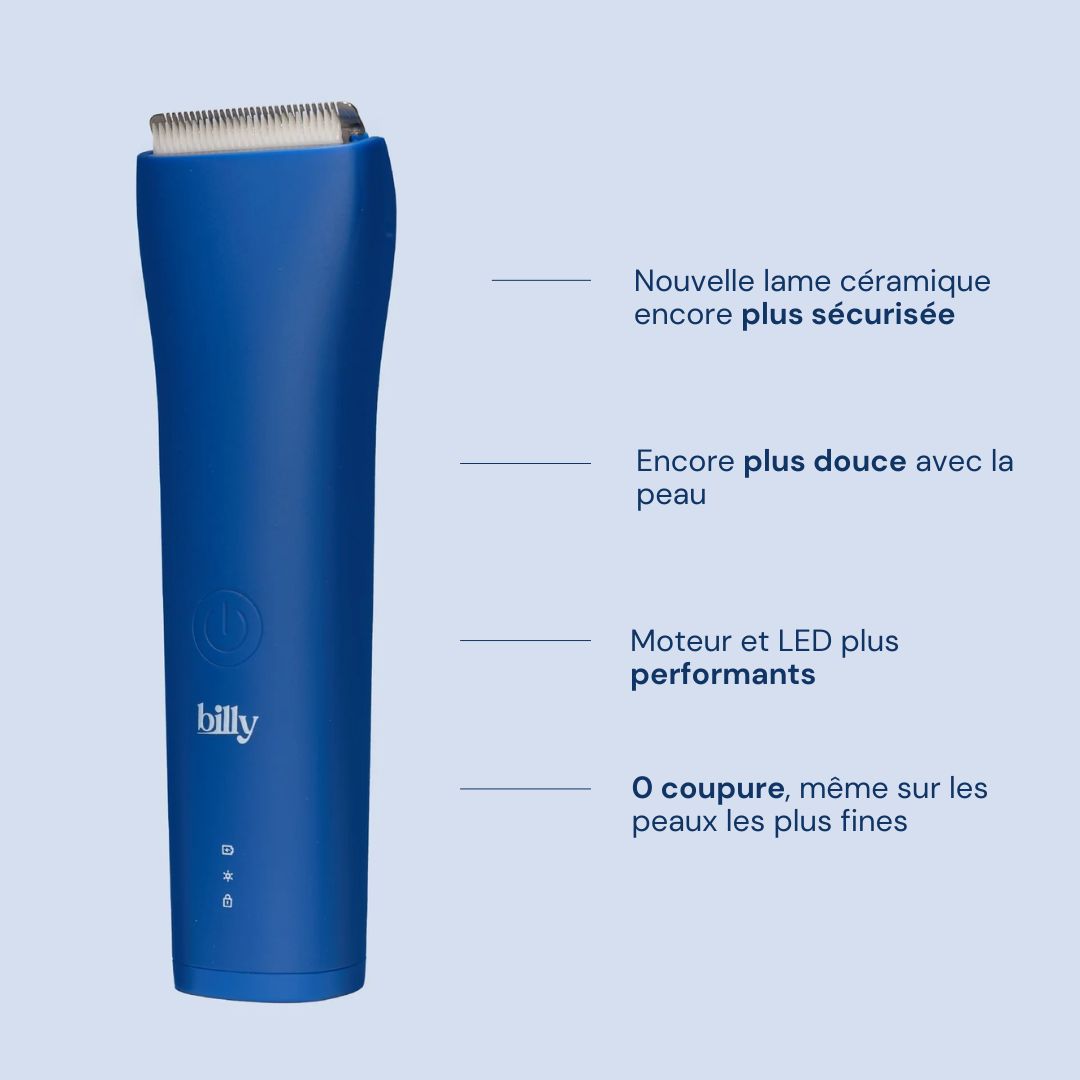
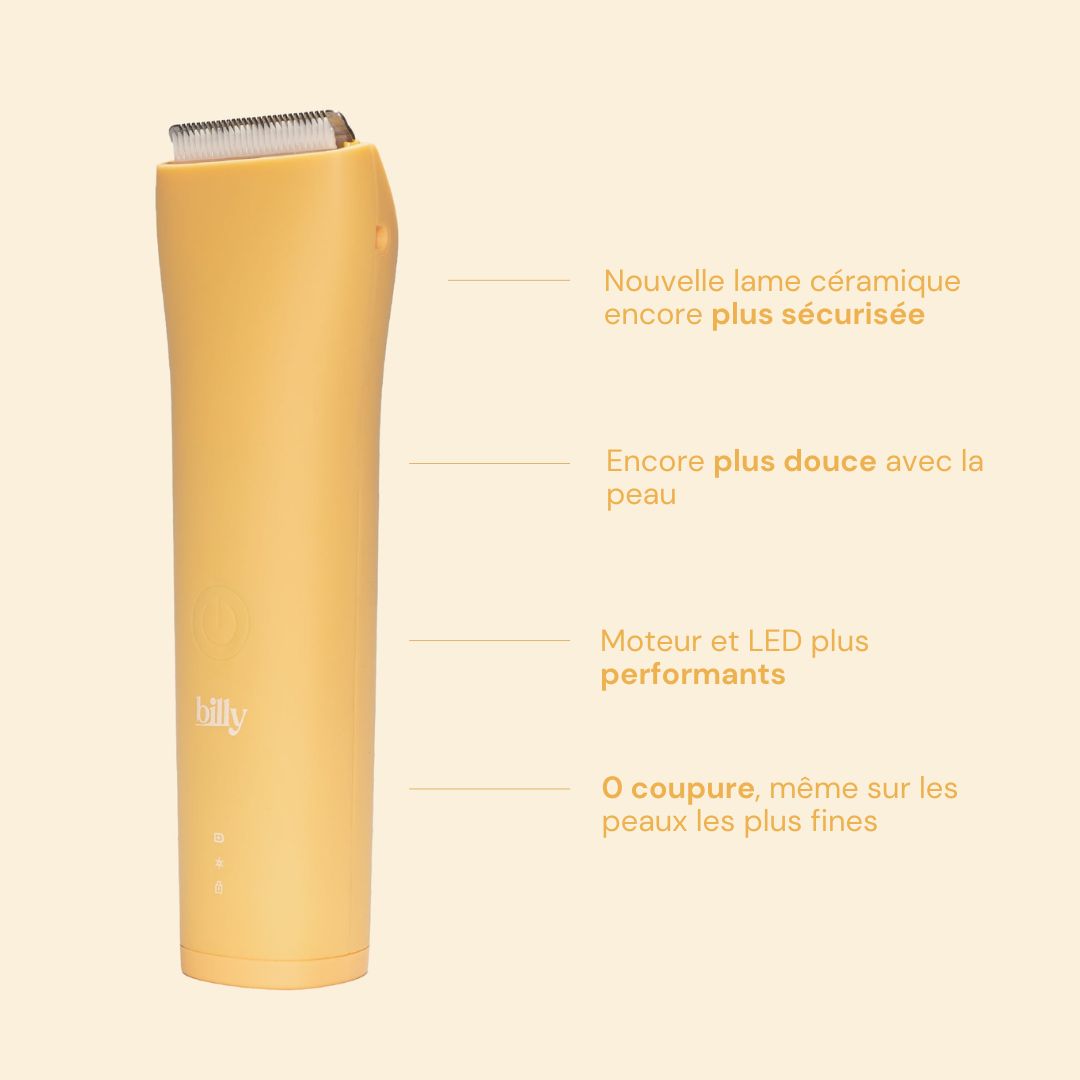
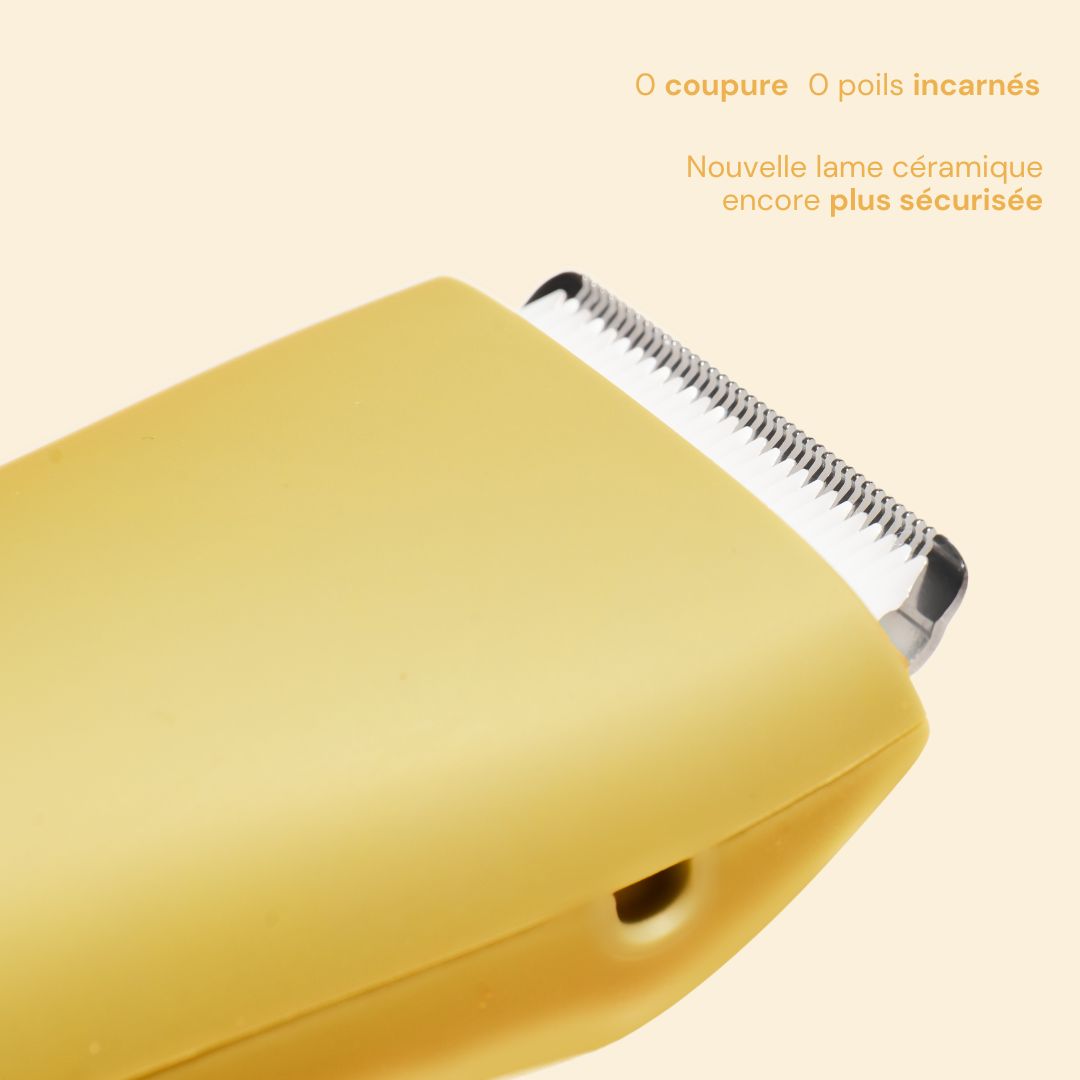
In other words, trimming can facilitate your hygiene routine and daily comfort, without replacing good hygiene practices or constituting a treatment. With an intimate trimmer like billy, you adjust the length to suit you (0, 3, 6, 9, or 12mm), without having to choose between a clean shave and the status quo.
"Great product! Safe and effective, much lighter after using it."
— Gregory, billy customer ⭐⭐⭐⭐⭐This review reflects a personal comfort experience and has no medical value.
Good daily hygiene practices
There is no universal routine that suits everyone; recommendations vary from person to person depending on skin sensitivity, perspiration, and physical activity. The general principle remains the same: prioritize gentle external care rather than aggressive ones.
A gentle, fragrance-free cleanser, applied with lukewarm water, is suitable for most cases. The skin in this area tends to be more sensitive and more acidic than the rest of the body, which is why a classic soap or scented shower gel can sometimes irritate rather than help.
Dry thoroughly after showering, patting rather than rubbing. Cotton underwear rather than synthetic material also helps limit moisture retention, especially during physical activity.
Regarding shower frequency, there is no single rule either. Daily washing is suitable for most situations, but adjust according to your perspiration and activity rather than following a fixed number.
What to avoid
Avoid perfumes or deodorants applied directly to the most sensitive areas, especially if they are not specifically designed for them. This is not an area of the body like the armpits, and these products can cause irritation rather than solve anything.
Also avoid multiplying washes throughout the day thinking you're doing good. Excessive cleaning can weaken the skin's natural barrier, which can paradoxically worsen the problem rather than improve it.
"We receive many questions about this, in private messages rather than public comments, which speaks volumes about the taboo that still surrounds the topic."
— The billy teamThis testimony reflects our experience of interacting with the billy community, not medical advice.