











Redness, razor burn, pimples appearing the next day… Let's be honest, intimate shaving can quickly turn into a nightmare. And no, it's not inevitable. These irritations have specific causes—and concrete solutions. Let's go through them, no filter, no beating around the bush.
Why does intimate skin react so much?
Before discussing solutions, we need to understand what we're dealing with. The skin in the intimate area is not like other skin.
It is significantly thinner than the skin on the legs or face. It also has a high density of nerve endings and hair follicles, making it ultra-sensitive to the slightest mechanical aggression. Add to that an area in constant friction—underwear, daily movements, sports—and you have the ideal cocktail to trigger a reaction.
It's also a naturally moist and poorly ventilated area, which favors bacterial proliferation after a micro-injury. A small, innocuous razor cut can therefore quickly escalate if conditions are not met. Understanding this is already half the battle.
The 7 main causes of redness after intimate shaving
1. Shaving dry, without preparation
This is by far the number one cause. Shaving dry skin triples the blade's friction. Without hydration or softening of the hair, the blade pulls, catches, and tears rather than cutting cleanly. Result: a series of micro-lesions, immediate inflammation, and redness within the hour.
2. A dull or unsuitable blade
A dull blade doesn't cut anymore—it scrapes. It goes over the same area multiple times to get rid of the hair, which increases back-and-forth movements on already fragile skin. Basic rule: a blade that's been used more than 5 to 7 times on the intimate area needs to be changed. No negotiation.
3. Shaving against the grain
Shaving against the grain gives you a closer shave. And twice as much irritation. In the intimate area, this is not an acceptable compromise. The hair is forced out of its follicle in the wrong direction, which creates mechanical inflammation—and sets the stage for ingrown hairs.
4. Pressing too hard
The harder you press, the better you think you're shaving. It's the opposite. Strong pressure pushes the skin against the blade and causes micro-cuts over the entire shaved surface. The right technique: let the weight of the tool do the work, without forcing.
5. Not exfoliating beforehand
Accumulated dead skin cells create a barrier that hinders the blade's passage. It then has to force its way through—to the detriment of your epidermis. Regular exfoliation prepares the skin and smooths shaving. But be careful: do not exfoliate right before shaving. Ideally, exfoliate 24 hours beforehand, with a gentle scrub suitable for sensitive areas. Too close to shaving, it weakens the skin barrier too much.
6. Wearing tight clothing immediately after
Jeans, synthetic underwear, leggings… Freshly shaved skin is in a slight inflammatory phase, even when everything went well. The friction from tight textiles aggravates this inflammation and can turn slight redness into real irritation.
A note for men: post-shave sweating is an underestimated cause. Humidity combined with synthetic underwear creates an ideal environment for bacteria on freshly shaved skin. Opt for loose cotton boxers in the first few hours—and avoid intense sports on the day of shaving.
7. Applying the wrong products afterward
Cologne, deodorant, scented shower gel… Anything containing alcohol or synthetic fragrances is a direct aggression on fragile skin. That tingling sensation you know? It's your skin telling you that you made a mistake.
Redness, folliculitis, ingrown hairs: knowing what you really have
Not all post-shaving reactions are the same—and they are not treated the same way.
Razor burn is the classic, diffuse redness that appears within minutes of shaving. Due to mechanical friction, it usually disappears within a few hours to 48 hours. No medical treatment is necessary—but good aftercare speeds up recovery.
Folliculitis involves small red or white bumps that appear 24 to 48 hours later, localized around the follicles. It's an inflammation of the hair follicle, more common on dry skin or after shaving against the grain.
Ingrown hairs: the hair, instead of growing back normally, curls back under the skin and creates an inflammatory, sometimes painful, bump. This is a direct consequence of too close a shave or shaving in the wrong direction. We have a complete guide on ingrown pubic hairs if you want to delve deeper into the subject.
Allergic reaction: intense redness, warmth, severe itching—often triggered by a product applied after shaving. The reaction is more localized and more violent than simple razor burn.
When to consult a doctor? If redness persists for more than 72 hours, if pimples become infected (pus, intense local heat), or if the reaction systematically recurs despite appropriate actions—a dermatologist can provide an accurate diagnosis and suitable treatment.
How to prepare your skin to avoid irritation
Prevention is 80% of the result. Here's how to maximize your chances even before picking up the tool.
The hot shower—the essential ritual
Heat softens the hair and slightly opens the pores, which facilitates a clean cut and reduces resistance. Ideally, shave in the shower or right after. Dry shaving or shaving before showering is a no-go.
Moisturize before starting
After showering, apply a dry oil or a light, fragrance-free cream to the area to be shaved—then wait a few minutes for it to penetrate. The skin is supple, the hair is soft: the blade glides effortlessly.
Men or women: some nuances
For women, the bikini area is subject to constant friction from sportswear. The skin there is often more reactive and may require more intensive pre-shave hydration. For men, the skin of the scrotum is particularly thin and wrinkled—holding and stretching the skin during shaving is essential to avoid accidents.
Good practices during shaving
Choosing the right tool: the decision that changes everything
This is where it all plays out. Multi-blade manual razors are designed for the face—relatively flat skin accustomed to daily friction. In the intimate area, it cuts the hair below the skin's surface, which causes redness upon regrowth and almost systematic irritation on sensitive skin.
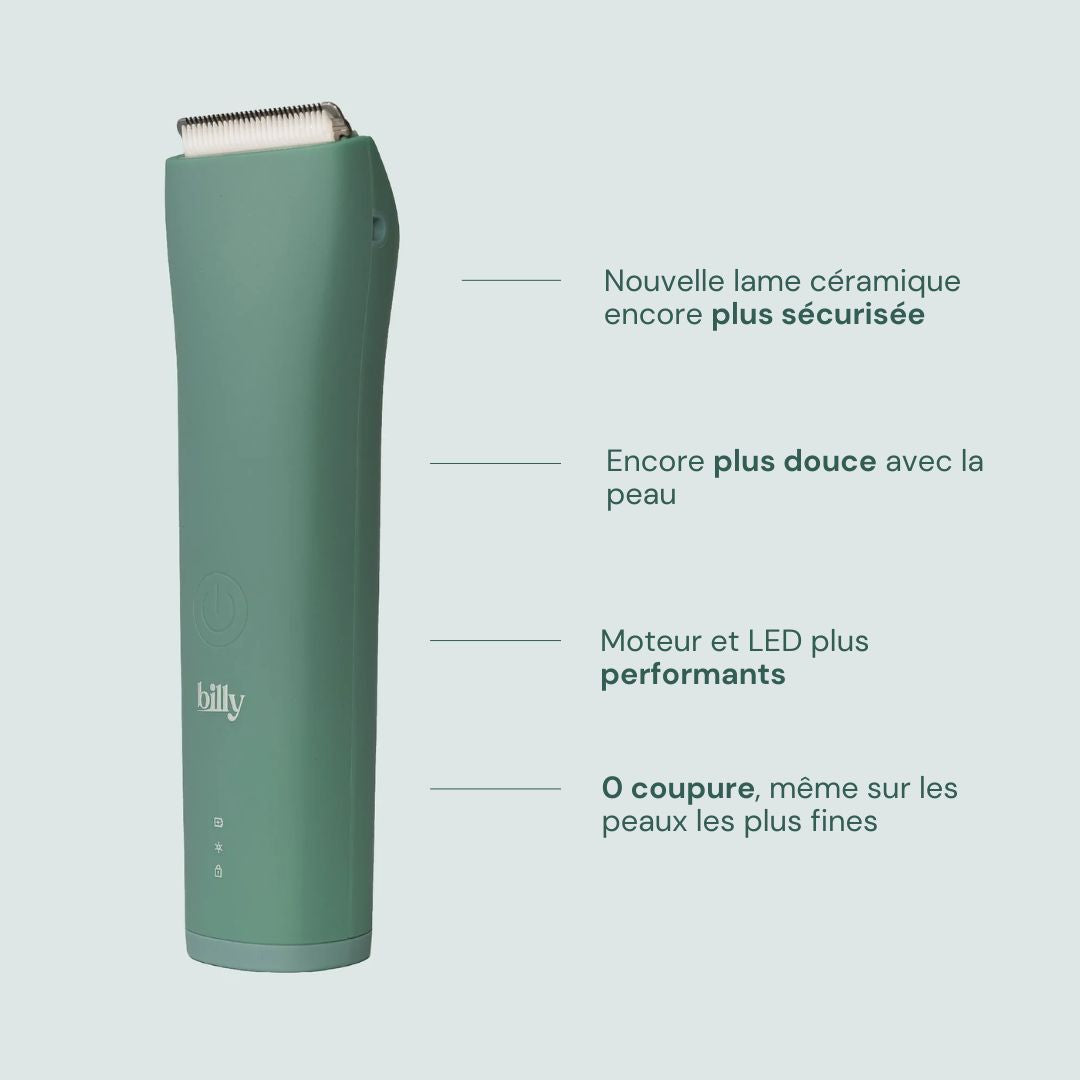
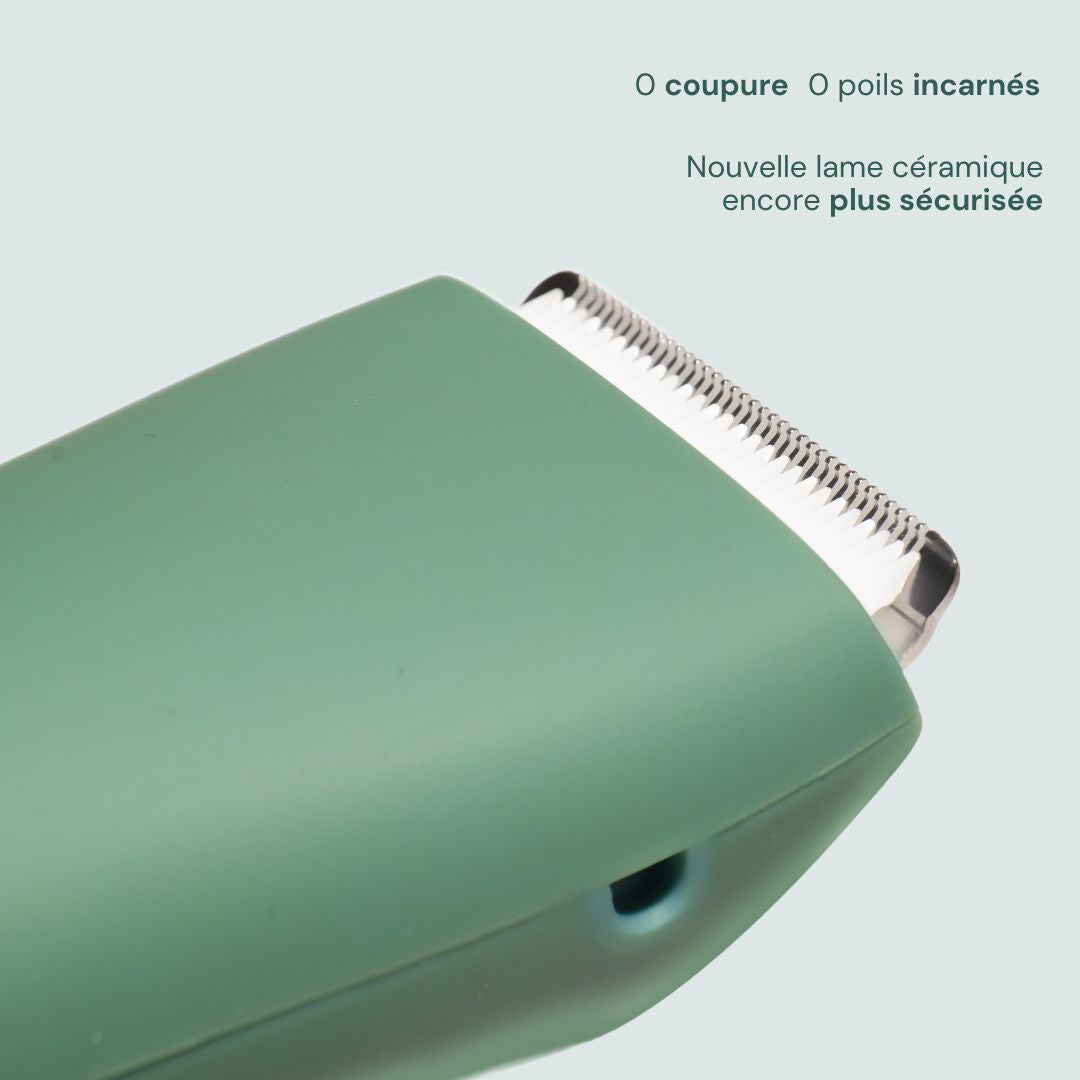
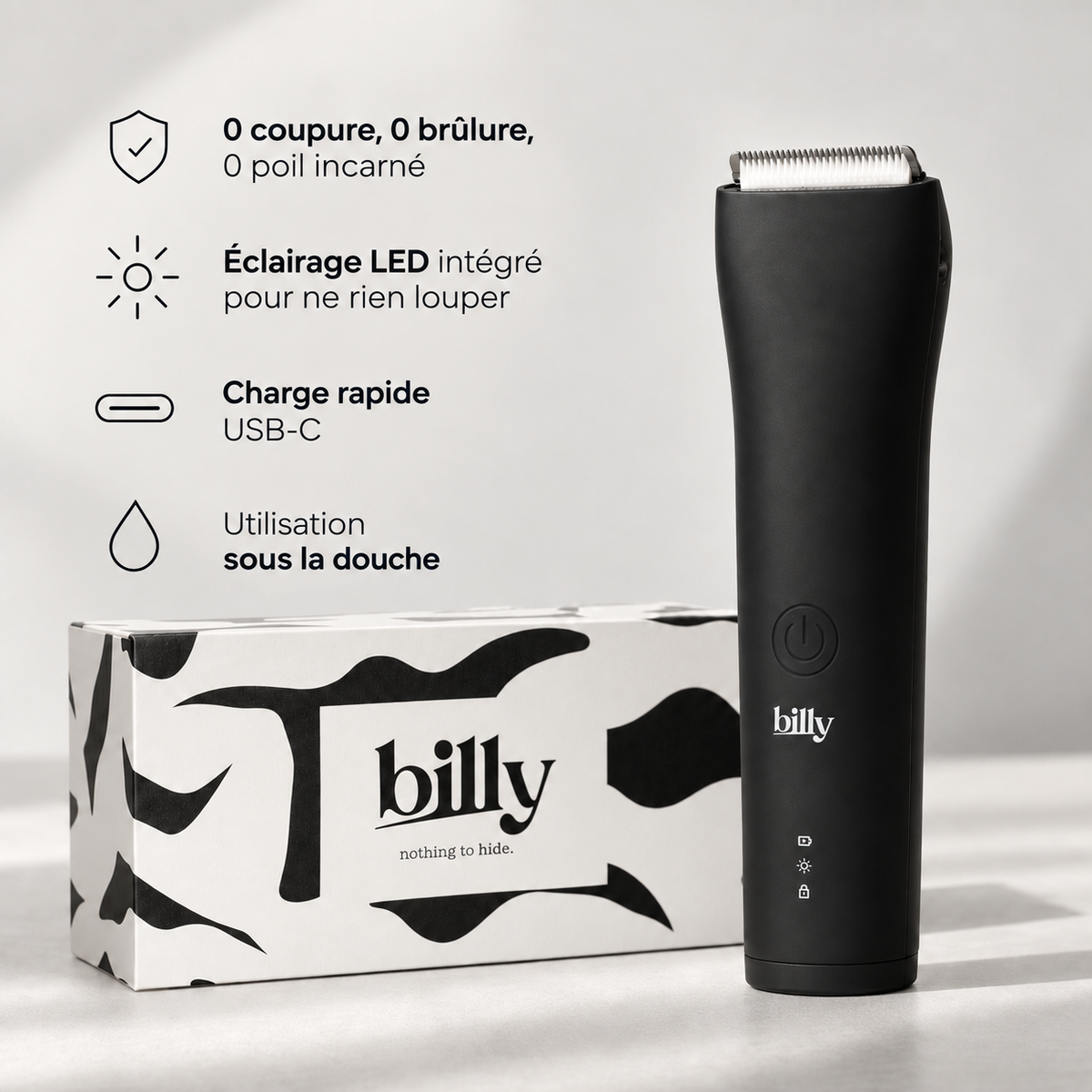
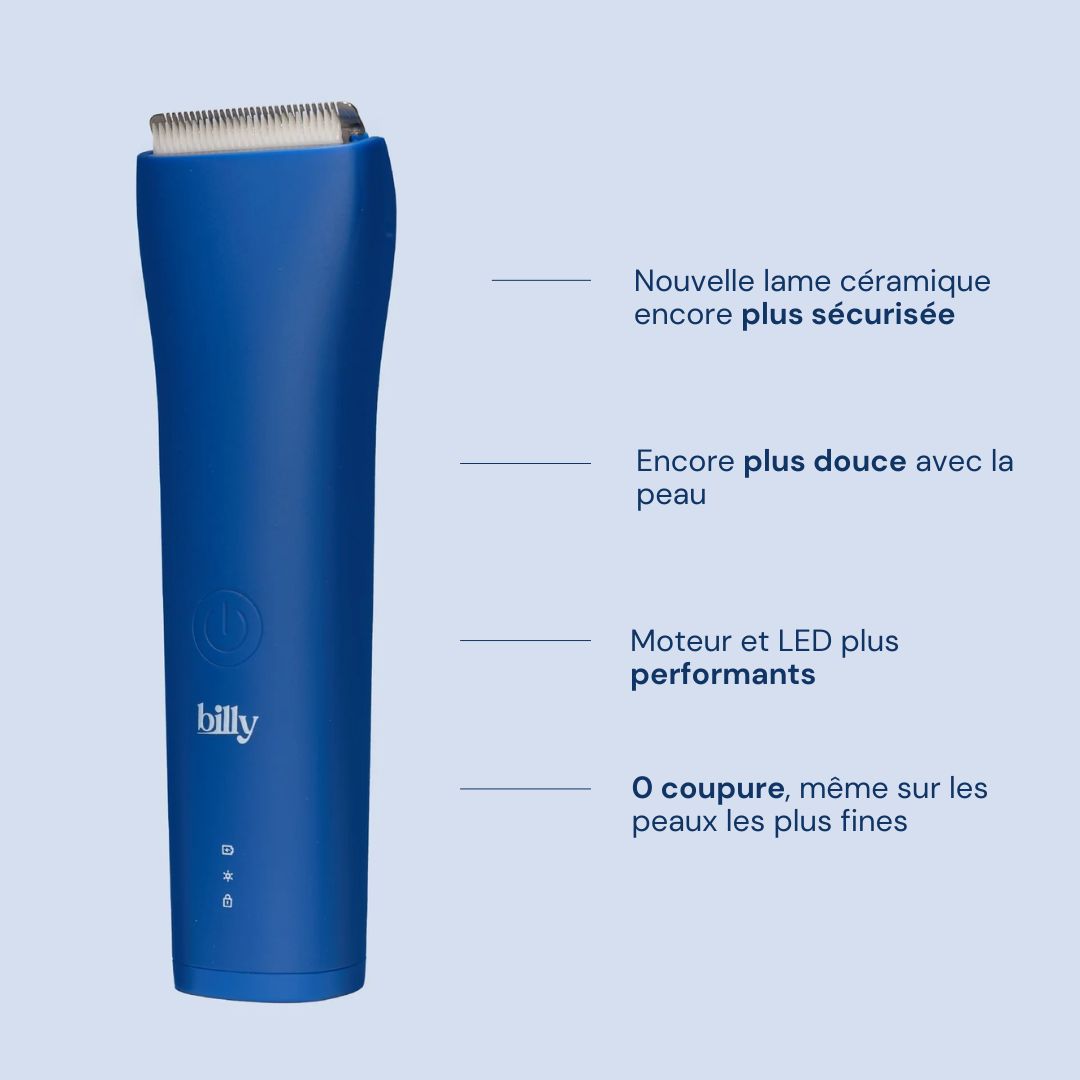
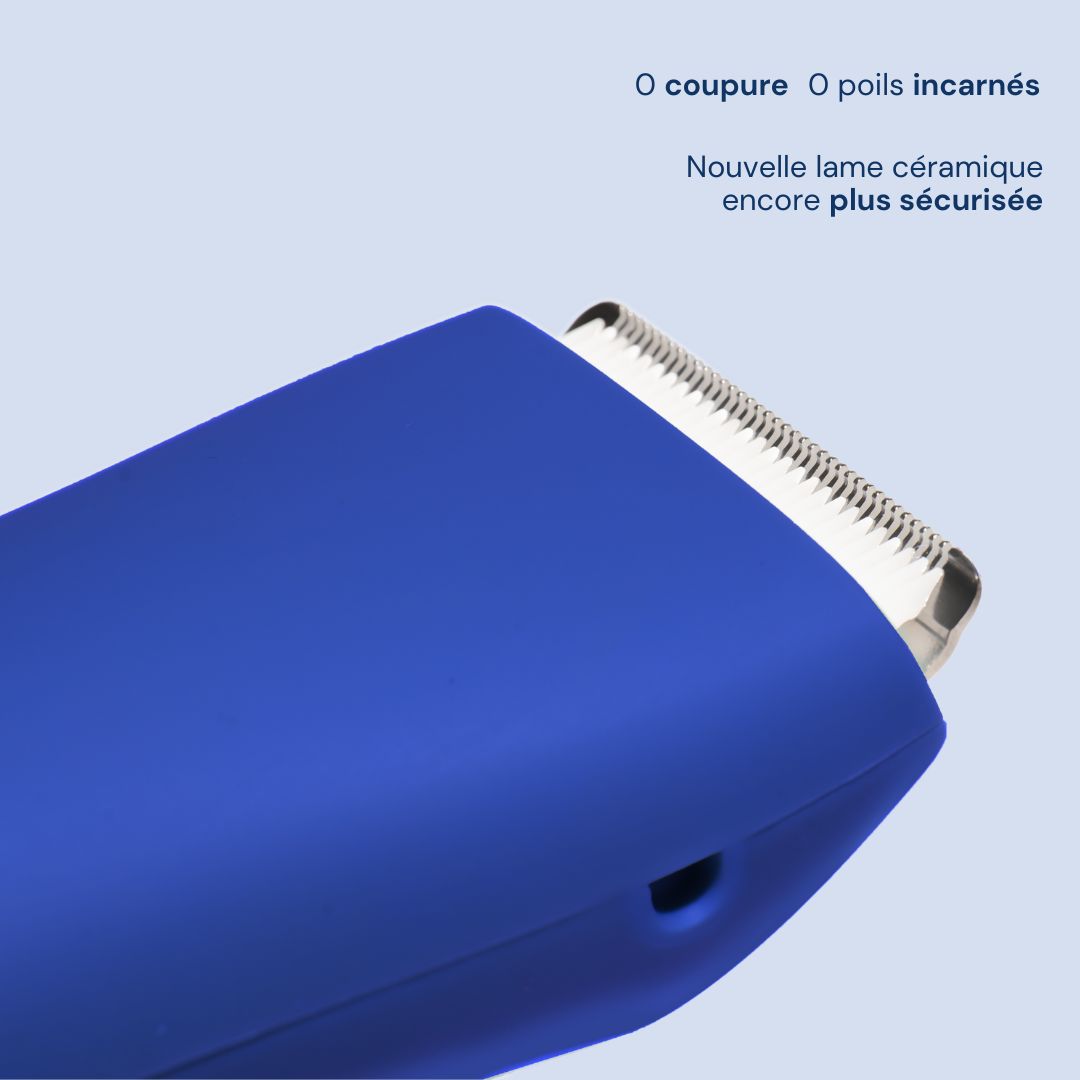
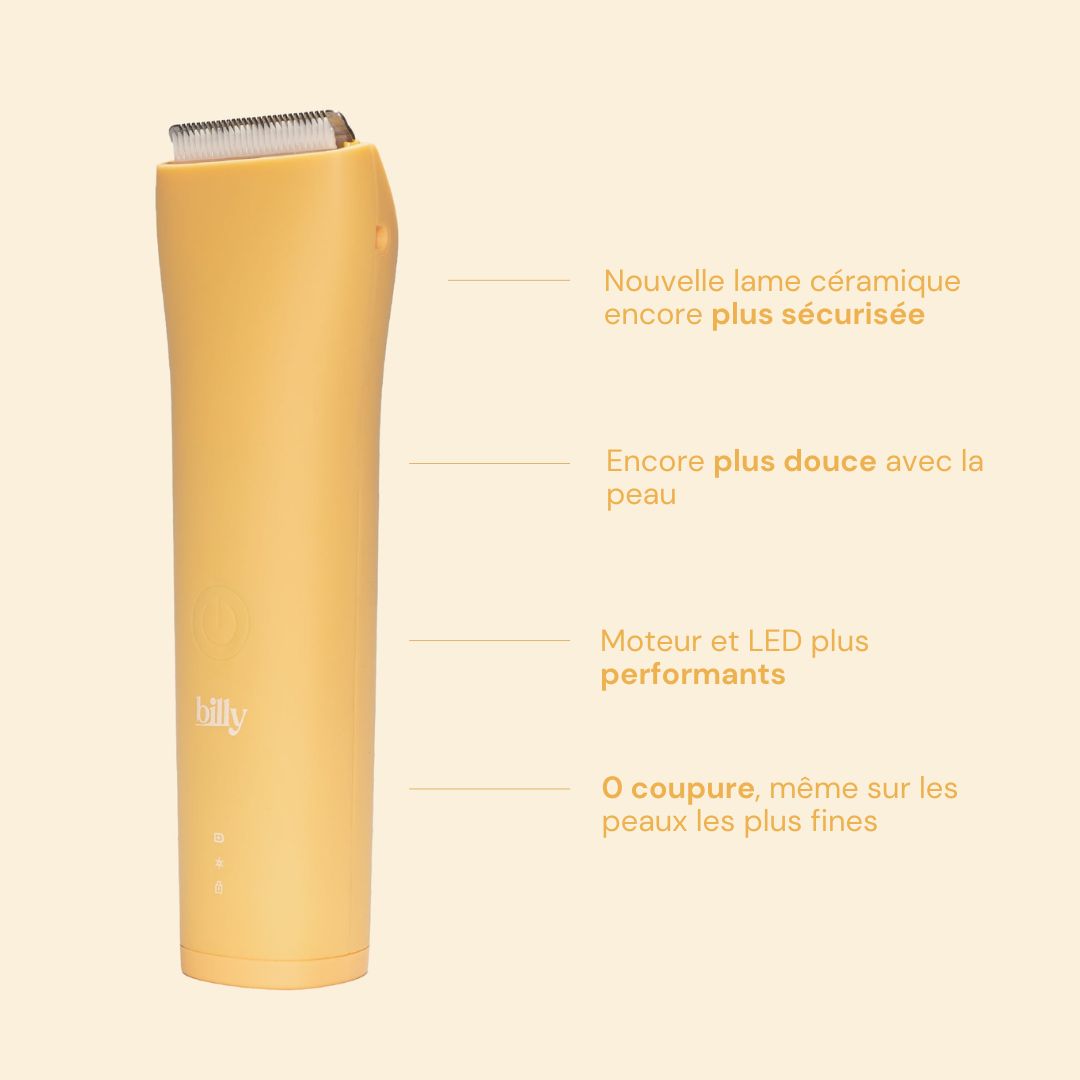
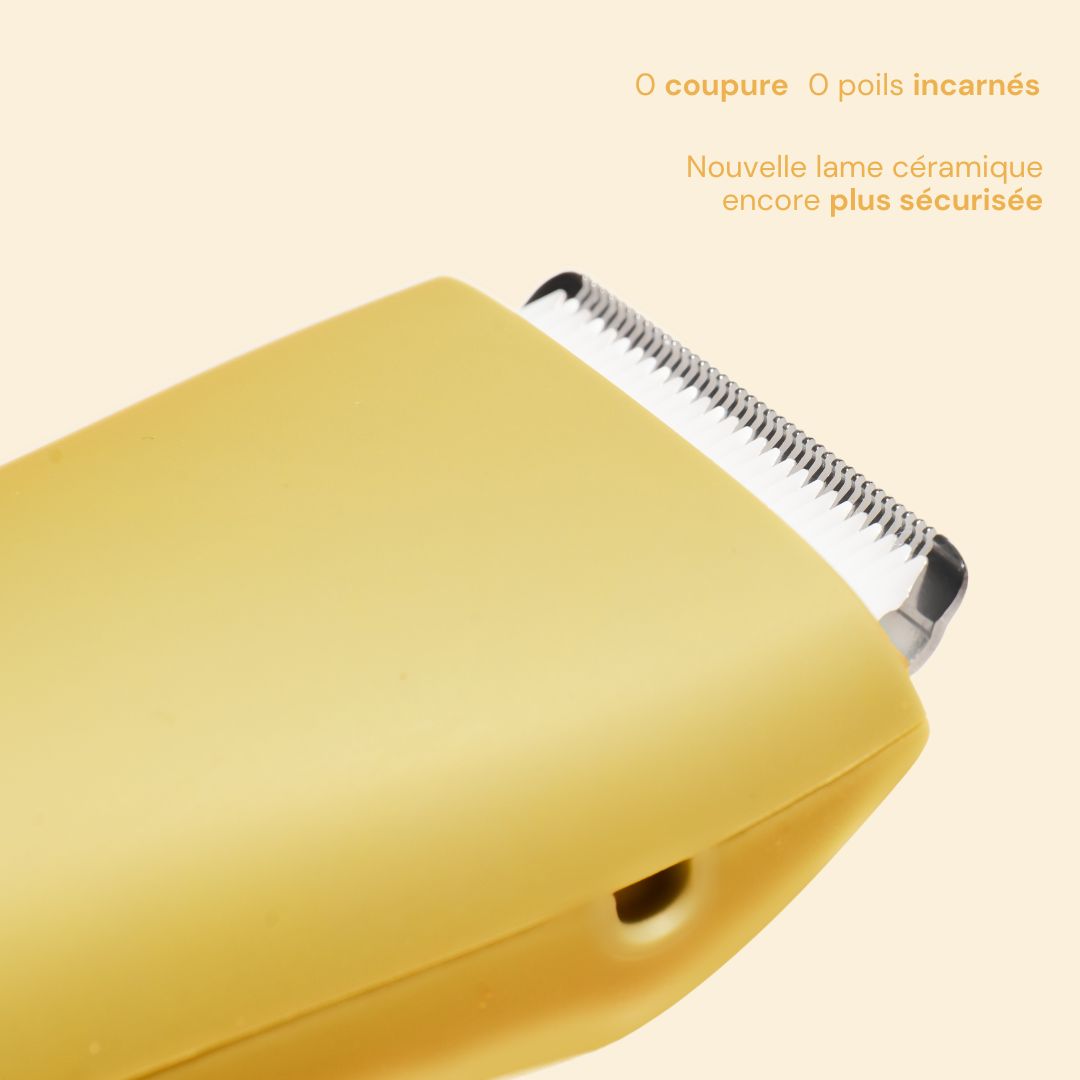
An intimate-specific trimmer like Billy works differently: it cuts the hair close without going under the skin, which eliminates most inflammatory reactions related to regrowth. For very reactive skin, this is often the solution that truly makes a difference. We compared the two in detail in our article razor vs. intimate trimmer.
« 0 cuts on my first uses, so perfect for me. The small LED is a real plus, it greatly facilitates shaving—I wouldn't have thought it would change so much. I absolutely recommend it! »
— Philippe G., billy customer ⭐⭐⭐⭐⭐
Always shave with the grain on sensitive areas
On the pubis, scrotum, labia majora: with the grain, always. The loss of a few millimeters of precision is not worth 48 hours of redness.
No pressure—let the tool do the work
Neither a razor nor a trimmer requires pressure. It's the blade that cuts, not your strength. Releasing pressure immediately reduces micro-lesions.
Never go over the same spot twice dry
If the cut isn't perfect on the first pass, re-wet before going over it again. Two dry passes over the same area guarantee inflammation.
Aftercare: what to do (and what absolutely not to do) afterward
Cold water to close pores
Immediately after shaving, a cold water rinse causes slight vasoconstriction that closes pores and limits bacterial entry. Simple, free, effective.
Pat dry—never rub
Rubbing with a towel is like giving a second blade stroke to already fragile skin. Gently pat, and if possible, let the skin air dry.
The right aftershave care
Pure aloe vera gel remains the absolute benchmark: soothing, lightly anti-inflammatory, moisturizing, and safe on mucous membranes. Apply a thin layer after drying. A ceramide- or panthenol-based cream also works very well. Vegetable oil (jojoba, calendula) is excellent for deep nourishment—but avoid if you are prone to pimples.
What to absolutely avoid afterward
Deodorant, cologne, scented shower gel, pure undiluted essential oil, synthetic or too-tight underwear, intense sport on the same day. Anything that creates friction or perspiration in the hours that follow is a no-go.
Quick Fix Table—identify and act fast
| Symptom | Probable Cause | Immediate Solution |
|---|---|---|
| Diffuse, hot redness | Razor burn (friction) | Cold water + aloe vera gel |
| Small white bumps | Mild folliculitis | Gentle alcohol-free antiseptic |
| Intense itching | Dry skin / regrowth | Intensive hydration (aloe vera + fragrance-free cream) |
| Painful red bump | Ingrown hair | Do not pick—warm compress, gentle exfoliation |
| Redness + sharp tingling | Allergic product reaction | Rinse thoroughly, antihistamine if necessary |
| Persistent redness +72h | Folliculitis or infection | Consult a doctor |
Solutions if redness is already present
Cold compress: the first reflex
As soon as redness appears, a cold compress applied for 5 to 10 minutes reduces inflammation and immediately soothes the burning sensation.
Aloe vera gel: the natural benchmark
This is the most recommended intimate post-shave treatment. Anti-inflammatory, moisturizing, safe on mucous membranes. Reapply 2 to 3 times a day until the redness completely disappears.
Mild cortisone cream: when and how
In case of a more pronounced inflammatory reaction, a low-dose hydrocortisone cream (available without prescription) can be applied 1 to 2 times a day for 2 to 3 days maximum. Beyond that: consult a doctor.
What systematically aggravates it
Scratching opens micro-lesions and introduces bacteria. Re-shaving too soon is a no-go—wait at least 48 hours for skin recovery. Applying alcohol or pure essential oils to "disinfect"? Bad idea: it burns and aggravates.
Normal disappearance time
Simple razor burn disappears in 12 to 48 hours. Mild folliculitis, in 3 to 5 days. A non-infected ingrown hair, in 1 to 2 weeks with proper care—we detail all of this in our article on ingrown hairs in the intimate pubic and testicular area.
In summary: the 10 golden rules to never suffer again
Always shave after or during a hot shower. Exfoliate 24 hours before—not on the same day. Moisturize the skin before starting. Use a tool adapted to the intimate area. Shave with the grain. Zero pressure on the tool. Rinse the blade regularly. Cold water at the end. Aloe vera for aftercare. Loose cotton clothing for the first few hours.
If you're still using a classic razor for the intimate area, our complete guide to choosing your intimate trimmer can help you make the switch—and permanently stop experiencing these irritations.
FAQ
Is it normal to have redness every time I shave intimately?
No. Slight redness immediately after shaving may be normal, but if it systematically reappears every time, it's a sign that something in your technique or tool is not suitable for your skin type.
How long should I wait before re-shaving an irritated area?
A minimum of 48 to 72 hours. It's better to wait until the skin is completely soothed to avoid creating a cycle of chronic irritations.
Is waxing less irritating than shaving?
Not necessarily. Waxing pulls hair from the root, which can cause folliculitis and ingrown hairs depending on the technique and your hair type. Each method has its advantages and risks—we compare everything in our complete guide to hair removal methods.
Can I use a classic moisturizer after intimate shaving?
Yes, provided it is fragrance-free, alcohol-free, and free of aggressive preservatives. Classic scented face or body creams should be strictly avoided on freshly shaved intimate areas.
Can post-shave redness be contagious?
Simple razor burn, no. However, an infected folliculitis can potentially transmit bacteria through direct contact—another reason never to share your razor blade or shaving tool.

![Tondeuse partie intime homme : la nouvelle billy et sa lame qui glisse sans accrocher, sans couper [2026/2027]](http://billy-trimmer.com/cdn/shop/articles/nouvelle_billy_tondeuse_anti_coupure_homme.min_03a8ec2d-c758-4404-a3f5-00c97515233c.jpg?v=1790688196&width=2200)

Share on your networks: