
















There are topics we discuss easily with friends, and others we carefully keep to ourselves. Perineal and intergluteal area care clearly falls into the latter category. Yet, in 2026, this area raises the exact same questions as the rest of the intimate zone: cuts, irritations, ingrown hairs, and the question of "how do I actually do this without hurting myself?"
Frankly, you're not alone in wondering. This area is simply less visible, harder to access, and no one really talks about it, so everyone fumbles their way through with their own method. We're going to fill that void with a clear, straightforward, and non-judgmental guide.
Why the perineum and intergluteal area are unique zones
Thinner skin, more folds, less visibility
This area presents several challenges simultaneously. The skin there is particularly thin, folds create areas of constant friction, and most importantly, you can almost never see it directly while you're tending to it.
This lack of visibility changes everything. On your pubis or legs, you adjust your movements in real-time because you can see what you're doing. Here, you're working blindly, or almost, which explains why accidents are more frequent here than elsewhere.
Sweat also plays a role. It's a naturally more humid and less ventilated area, which means that even minor post-shave irritation has a harder time healing quietly.
Razor, waxing, or trimmer: what really works here
Why a classic razor is the riskiest for this area
A manual razor requires a precise angle and direct visibility to work without a hitch. In an area you can't see and that's full of folds, these two conditions simply aren't met.
Result: the risk of cuts increases significantly, and the slightest inaccuracy on this thin skin can be enough to create an irritation that lingers for several days. We discuss this in more detail in our comparison of razor vs. intimate trimmer.
Why a no-nick trimmer changes the game
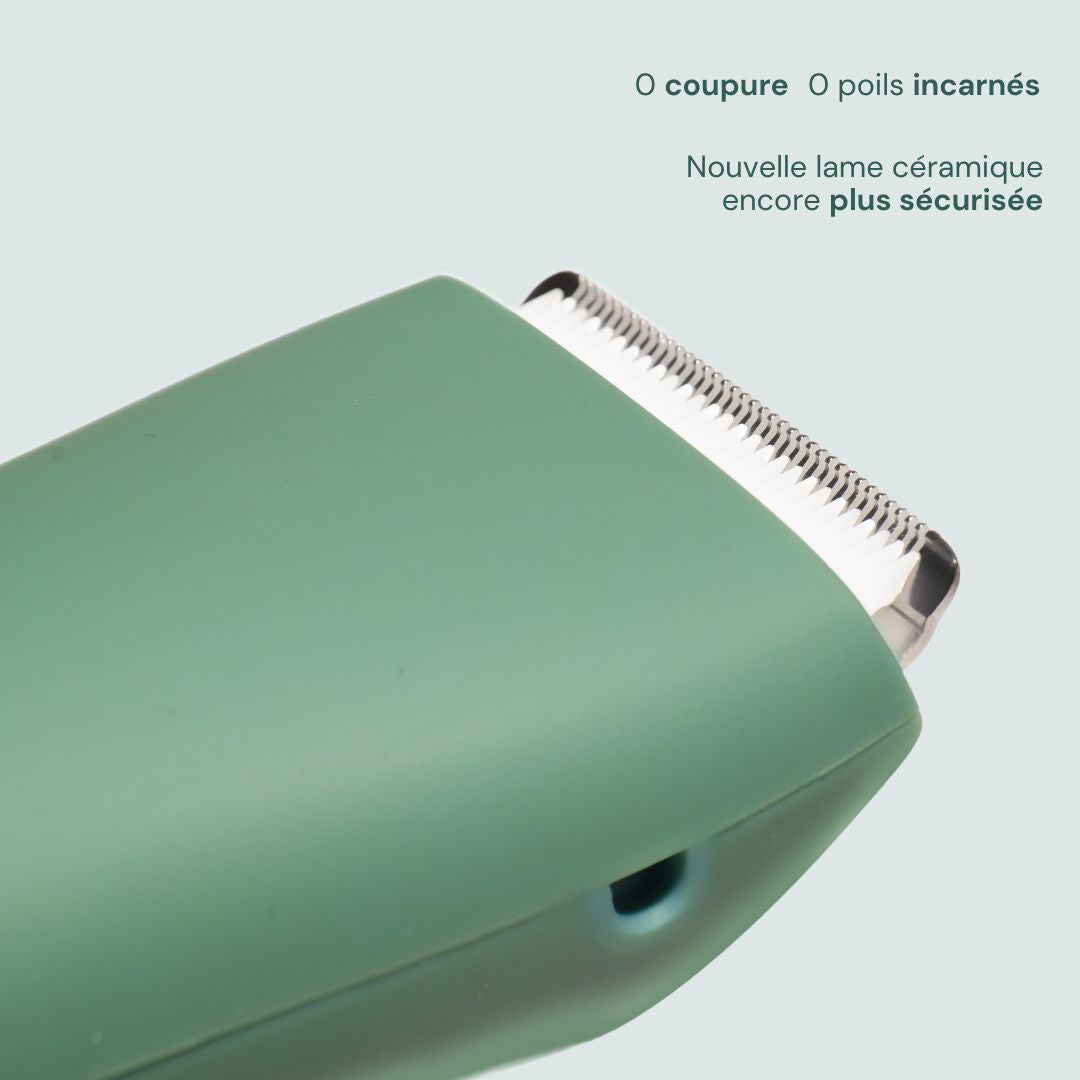
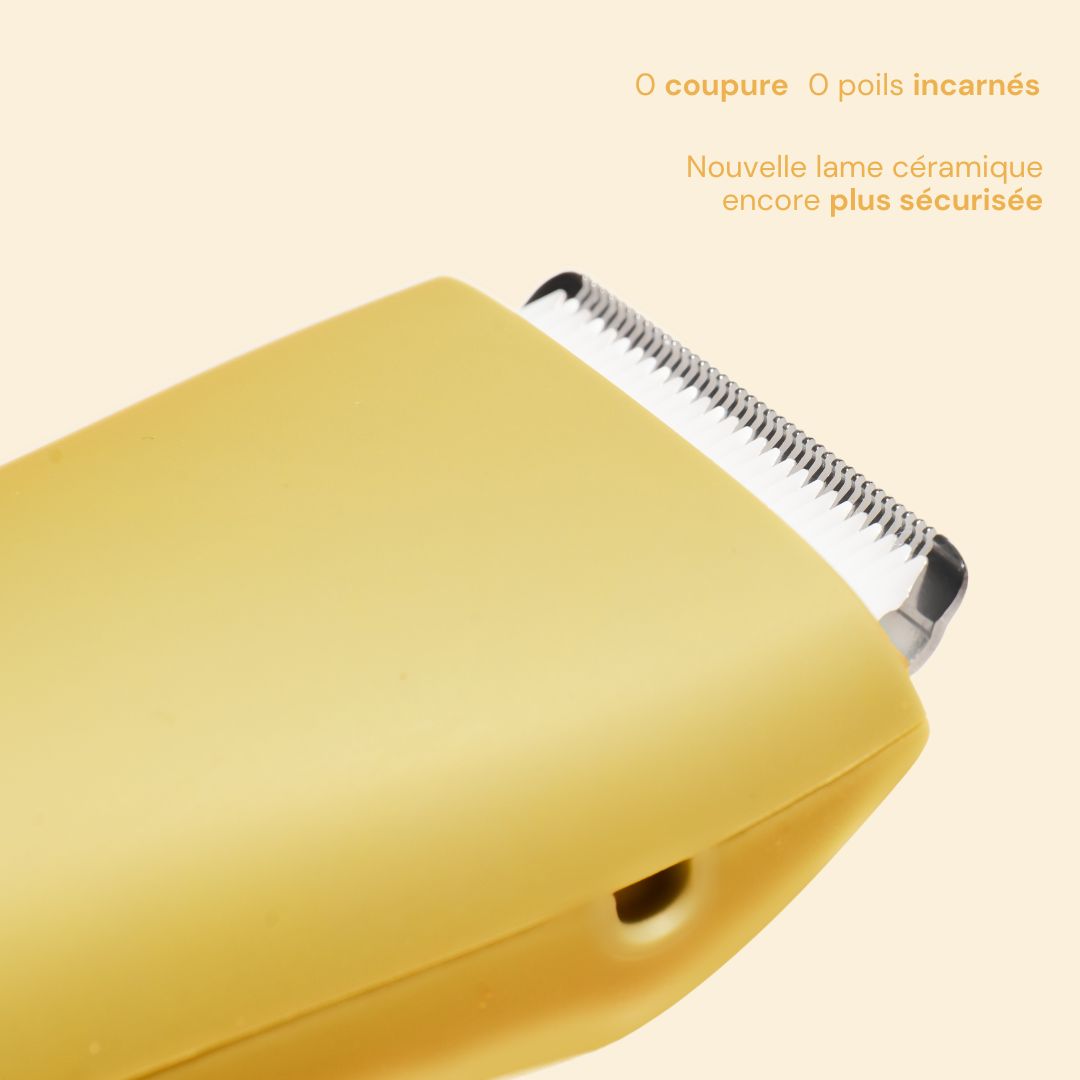
A trimmer designed for intimate areas, like the billy, works differently. Its ceramic blade doesn't cut hair flush with the skin but maintains a micro-safety distance, which significantly limits the risk of cuts even in an area you can't see well.
This same design also helps prevent ingrown hairs when they grow back. We elaborate on this topic in our article on ingrown hairs in the intimate zone.
"Days passed, all the same, a trip to the bathroom, hand trembling with a classic trimmer and the fear of hurting myself. And then one day I discovered the green billy. First use, trembling hand, apprehension... and then, bliss: a precise, effective, and reassuring shave. I approve 1000%."
— Léandre, billy customer ⭐⭐⭐⭐⭐
How to do it, step by step
Find the right position
Position is half the battle in this area. A foot placed on the edge of the tub or on a low stool, with a correctly angled magnifying mirror, already gives you much better visibility than working blindly.
In the shower, the skin is more supple and the folds relax naturally, which makes it easier to pass over. This is also the time most of the billy family choose for this specific area, thanks to the device's waterproof design.
Which direction to trim to avoid irritation and ingrown hairs
The rule remains the same as for the rest of the intimate area: always in the direction of hair growth, never against it. Going against the grain gives the impression of a cleaner cut, but it also increases irritation and ingrown hairs, especially on such thin skin.
No pressure is necessary. Let the weight of the device do the work, especially in the folds where the temptation to press harder is greatest.
What length to choose for this specific area
In this area, aiming for a completely clean shave is generally not the best idea. Keeping a short but present length, around 3mm, significantly limits the risk of irritation related to regrowth, while still looking neat.
The billy offers 5 cutting heights (0, 3, 6, 9, and 12mm), which allows you to adjust according to your sensitivity and desires rather than being stuck with a single fixed setting. You can change combs in a few seconds, without having to think about it.
The most common mistakes in this area
The first mistake is rushing. This area requires a little more time and attention than the rest, so treating it at full speed between two shower gestures mechanically increases the risk of nicks.
The second is desperately trying to see everything by twisting yourself into an uncomfortable position. A well-placed mirror and a stable position are far better than an approximate contortion.
The third, and not the least, is using an unsuitable tool, designed for beards or hair, on skin that is completely different. This is less a question of power than of blade design.
"This is precisely the area that no one talks about in messages, yet it's always implied. We designed billy so you no longer have to choose between taking care of yourself and taking risks, even in the least visible areas."
— The billy team
After trimming: hygiene and comfort
Once trimming is complete, a cold water rinse closes pores and calms the area. Pat dry rather than rubbing; the skin here is particularly sensitive to friction immediately afterward.
If a slight redness appears, it's common and usually harmless. We detail good practices in our article on redness and irritation after intimate shaving.
How often to maintain this area
There's no universal rule here; it all depends on your hair growth and the style you're going for. On average, a trim every two to three weeks is largely sufficient to keep this area tidy without overworking it.
Also remember to change your trimmer blade every 3 to 6 months depending on your frequency of use. A dull blade puts more strain on the skin, which goes against the desired comfort in this specific area.
Questions we all ask about this area
Is it harder to trim the perineum and intergluteal area than the rest of the intimate zone?
A little, mainly due to the lack of direct visibility. With good positioning and a mirror, it remains quite accessible even for beginners.
What type of trimmer should I use for this specific area?
A trimmer designed for intimate areas, with a no-nick blade and ideally waterproof for use in the shower. It's not the same design as a hair or beard trimmer.
How to avoid cuts in an area so full of folds?
By working without pressure, in the direction of hair growth, and gently stretching the skin with your other hand to smooth out the folds during the pass.
Is a mirror really necessary?
It's not mandatory, but it helps a lot, especially at first. A correctly angled magnifying mirror gives you visibility you don't naturally have in this area.
Can it be painful?
With a suitable tool and without excessive pressure, it shouldn't be painful. Temporary sensitivity immediately afterward is normal; persistent pain is not and should be checked by a professional.
How often should this area be maintained?
Generally every two to three weeks, but it entirely depends on your hair growth and personal preferences.


![Tondeuse partie intime homme : la nouvelle billy et sa lame qui glisse sans accrocher, sans couper [2026/2027]](http://billy-trimmer.com/cdn/shop/articles/nouvelle_billy_tondeuse_anti_coupure_homme.min_03a8ec2d-c758-4404-a3f5-00c97515233c.jpg?v=1790688196&width=2200)
Share on your networks: