









Let’s be honest: most men learned grooming on the fly. A bar of soap, deodorant, maybe a razor borrowed from a roommate…and that was about it. For a long time, that was more than enough. But in 2026, expectations have changed—and above all, you have changed.
A well-structured men’s grooming routine isn’t about vanity. It’s about confidence. When you step out of the shower knowing your skin is moisturized, your nails are clean, and your intimate areas are groomed without irritation… you feel different. Lighter. Truly comfortable in your body.
This checklist is for everyone: the beginner who wants to establish solid foundations, the busy man looking for the essentials without the extras, the traveler who wants a compact and effective kit, and the bearded man balancing facial care with the rest of his body. No matter where you are, there’s bound to be something here to adjust or discover.
The promise is simple: an actionable list from head to toe, without jargon and without drowning you in dozens of products. We’ll start with the face, move down to the body, and skip nothing—including the areas we’ve long preferred to ignore. It’s time to take a serious, no-nonsense look at everything.

The basics of a men’s grooming routine
The word "grooming" comes from English and refers to all practices for caring for the body and appearance. But be careful—it goes far beyond basic hygiene. Hygiene is the bare minimum: washing, brushing your teeth, and not smelling bad. Grooming is the next step: actively caring for your skin, hair, and body hair with the right tools and products.
The difference is subtle but real. A man who follows a hygiene routine doesn’t think about the condition of his skin. A man who grooms knows that male skin—naturally thicker and oilier than female skin because of testosterone—has specific needs. He knows that male skin pH is slightly more acidic (between 4.5 and 5.5), which influences the choice of cleansing products. It’s not pretentious; it’s simply useful information.
As for frequency, not everything needs to be done every day. It’s important to point that out because many people give up on their routine before they even start, discouraged by the impression that it takes hours. Here’s a simple guide:
Daily: facial cleansing, moisturizing, deodorant, oral hygiene, body cleansing in the shower, intimate hygiene.
Weekly: facial and body exfoliation, nail care, eyebrow grooming if needed, trimming or shaving the body and intimate areas according to your preferred frequency.
Monthly or as needed: haircut, thorough beard grooming, changing the blade of your trimmer or razor.
Manageable, right? Fifteen minutes a day at most if you’re organized. And honestly, it makes all the difference.
Facial checklist: the face grooming essentials

Your face is the first thing everyone sees. And yet, it is often the most poorly managed part of a man’s routine. We use the wrong cleanser, forget to moisturize, and don’t protect ourselves from the sun. The result: skin that ages faster than necessary and a dull complexion. Here’s how to fix that.
Cleansing and exfoliation
A facial cleanser is the most worthwhile investment in your routine. Forget using shower soap on your face — its overly alkaline pH (around 9–10) damages your skin’s natural hydrolipidic film and leaves it reactive and dry. A cleanser formulated for the face respects the skin’s pH and removes sebum, pollution, and dead skin cells without being harsh.
Choose your cleanser based on your skin type: foaming gel for oily skin, cleansing milk or cream for dry skin, and a balancing formula for combination skin. If you don’t know your skin type, observe your skin two hours after cleansing: shiny all over = oily skin, tightness = dry skin, shine only on the forehead and nose = combination skin.
Exfoliation, no more than once or twice a week, removes dead surface cells and refines the skin’s texture. For sensitive or reactive-prone skin, choose a gentle chemical exfoliant (low-concentration lactic or glycolic acid) rather than grainy scrubs, which can cause micro-irritation.
Which products?
-
Facial cleanser for normal to combination skin
A gentle facial cleanser with a physiological pH, soap-free, that removes sebum and pollution without leaving your skin feeling tight. Ideal if your T-zone is shiny but your cheeks are relatively normal. -
Facial cleanser for dry or sensitive skin
A sulfate-free cleansing cream or milk enriched with replenishing agents (ceramides, glycerin, fatty acids). Your skin stays comfortable and supple after rinsing, without redness or tightness. -
Gentle chemical exfoliant (1–2 times/week)
A liquid or lotion exfoliant with a low concentration of lactic or glycolic acid, without abrasive particles. It smooths the skin’s texture, unclogs pores, and reduces blackheads without creating a sandpaper effect on sensitive skin.
Shaving or beard grooming

For a close shave, the optimal order is: prepare, shave, soothe. Prepare your skin with warm water or shave in the shower (the heat softens the hair and opens the pores), apply shaving cream or gel—never shave dry—then shave with the grain for the first passes. Soothing aftershave is not optional: it closes the pores and prevents irritation.
For bearded men, maintenance requires a little more equipment but remains simple: a precision trimmer to define the outline, a beard comb or brush to detangle and tame, beard oil to nourish the hair and the skin underneath (the skin beneath a beard dries out quickly and can cause itching), and small scissors for stray hairs. A barber’s tip for avoiding ingrown hairs in the beard: always gently exfoliate under the beard once a week with a horsehair glove or a suitable product.
Personally, I prefer the OneBlade for a close beard shave; otherwise, to keep 6mm (a three-day beard), I often use my billy.
Which products?
-
High-glide shaving cream or gel
A rich formula that provides good lubrication, even for sensitive skin. It lets the razor glide without pulling, limits micro-cuts, and makes shaving with the grain easier. -
Soothing alcohol-free aftershave
A lightweight, alcohol-free balm with soothing ingredients (aloe vera, allantoin, niacinamide). It immediately calms razor burn, visibly tightens pores, and reduces post-shave redness and bumps. -
Specialized precision beard trimmer
A trimmer with multiple guards, a precision head, and good battery life. Perfect for defining contours (cheeks, neck), maintaining beard length to the nearest millimeter, and avoiding an unkempt look.
Hydration and protection
Daily moisturizer is non-negotiable. Men’s skin produces more sebum, but it becomes just as dehydrated, especially after shaving. A good moisturizer maintains the skin barrier, prevents fine lines, and creates a more even complexion. If you want one versatile product, choose a moisturizer with at least SPF 30 for daytime use—sun protection is the most effective anti-aging step there is.
The eye area is often overlooked. The skin around the eyes is three times thinner than the rest of the face and shows signs of aging first. Applying a lightweight eye cream in the morning takes ten seconds and makes a visible difference over time.
Which products?
-
Daily facial moisturizer
A lightweight, non-comedogenic cream that strengthens the skin barrier, reduces post-shave tightness, and creates a more even complexion. Use morning and evening on clean skin. -
Moisturizer with at least SPF 30 (daytime)
A 2-in-1 moisturizer with broad-spectrum sunscreen. It hydrates, protects against UV rays responsible for premature aging, and replaces a complicated anti-aging cream in your routine. -
Light eye contour treatment
A lightweight gel or eye cream with caffeine or peptides that reduces puffiness and smooths fine lines. Ten seconds of application morning and evening to help reduce dark circles, bags, and early wrinkles.
Hair and scalp: daily care for men
Cleanse
The shampoo you used at 15 is probably no longer suitable. Scalp needs change with age, stress, diet, and even the quality of your city's water. In 2026, there's no reason to wash your hair with a cheap 3-in-1 shampoo if you want healthy hair.
The basic principle: choose a shampoo suited to your scalp, not your hair. Oily scalp → purifying shampoo. Dry scalp → nourishing shampoo. Dandruff → anti-dandruff shampoo with piroctone olamine or zinc pyrithione (gentler than ketoconazole for regular use). The ideal frequency varies from person to person: every two days for oily scalps, two to three times a week for normal scalps, and less often for dry scalps.
Apply conditioner only to the lengths, never to the scalp, to avoid weighing it down. If you have short hair, you can often skip it.
Which products?
-
Purifying shampoo for oily scalps
A shampoo with activated charcoal or salicylic acid that regulates scalp oil without drying out the lengths. Wash every 2 days for a fresh scalp without excess oil. -
Gentle anti-dandruff shampoo
A formula with piroctone olamine or zinc pyrithione, for regular use without irritation. Eliminates dandruff and itching while soothing the sensitive scalp. -
Conditioner for lengths only
A lightweight silicone-free formula, applied from mid-lengths to ends. Detangles without weighing hair down, ideal for short or medium-length hair that needs targeted hydration.
Style
The right styling product (if you need one) depends on the desired effect and your hair type. In short: wax or pomade provide flexible hold with shine, ideal for structured styles and thick hair. Styling paste adds volume and a natural matte finish, perfect for fine hair. Gel provides strong hold with shine, suitable for ultra-defined looks. Styling cream is the most versatile option for curly or wavy hair.
A wide-tooth comb or a boar-bristle brush completes the kit — it's not just for hairdressers. It makes a real difference to the final result.
Which products?
-
Flexible-hold wax or pomade
Clay- or beeswax-based product for a shiny, structured effect. Perfect for thick hair and textured styles that hold all day without a stiff, crunchy feel. -
Matte volumizing styling paste
Powdery texture that adds volume to fine or thinning hair. Medium hold, natural finish, and no greasy residue even after several hours. -
Comb or boar-bristle brush
Wooden or natural-bristle accessory that distributes the scalp’s natural oils. Prevents static and tames the hair for a professional finish.
Body: showering, skin, and odor control
Body cleansing
We all shower, but a few simple adjustments can change the result. First, the temperature: water that is too hot dilates pores, dries out the skin, and weakens the hydrolipidic film. Finishing with a cooler stream of water tightens the pores and leaves the skin feeling more toned—there’s no need for a completely cold shower; a gradual transition is enough.
Choose a shower gel or superfatted soap with a pH close to the skin’s pH (between 5 and 6) to avoid irritating the skin. “2-in-1 body and hair” formulas are convenient but rarely optimal for both. A body exfoliator once a week (horsehair glove, exfoliating glove, or scrub) removes dead skin cells, prevents ingrown hairs, and improves the absorption of moisturizing products.
Which products?
-
Superfatted shower gel, pH 5.5
Moisturizing formula without harsh soap for gentle cleansing that respects the skin’s hydrolipidic film. Subtle fragrance, ideal for daily showers. -
Body exfoliator: glove or gentle scrub
Horsehair glove or fine-grain product once a week. Removes dead skin cells, prevents ingrown hairs, and prepares the skin for moisturizers.
Body hydration
Body lotion or moisturizer is the treatment most often overlooked by men, yet one of the most effective. The golden rule: apply it within two minutes of getting out of the shower, while the skin is still slightly damp. The residual moisture is locked into the skin, and the product’s effectiveness is multiplied.
Areas you should never neglect: elbows, knees, heels, and forearms—areas subject to constant friction that dry out more quickly. In winter, a richer cream based on shea butter or urea (5 to 10%) is a worthwhile investment.
Which products?
-
Daily body moisturizing lotion
Lightweight texture with glycerin or hyaluronic acid, applied to damp skin after showering. Absorbs quickly and targets elbows, knees, and dry areas. -
Rich winter cream with 5–10% urea
Thick formula with shea butter or urea for very dry skin. Repairs the skin barrier deeply and prevents cracks on heels and forearms.
Odor control
Deodorant or antiperspirant? Both work, but not in the same way. Deodorant neutralizes the bacteria responsible for odors. Antiperspirant reduces perspiration through aluminum salts. If you don’t sweat much, deodorant is enough. If you sweat heavily, antiperspirant is more effective.
Fragrance or eau de toilette is a complement, never a substitute for a good deodorant. To make it last longer, apply it to pulse points (wrists, neck, behind the ears, and the crooks of the elbows) right after showering, on moisturized skin.
“It took me a while to find the right deodorant for my skin, but once I did, I understood and appreciated the difference.”
— Philippe, co-founder of billy
Which products?
-
Natural antibacterial deodorant
Made with mineral salts or essential oils, it neutralizes odors without blocking perspiration. For those who sweat moderately. -
Antiperspirant
Long-lasting roll-on or spray (48 hours) for heavy sweating. Effectively reduces sweat while allowing the skin to breathe.
Intimate areas and body hair: the chapter we avoid but all deal with
Let’s be direct: everyone grooms their intimate areas. Or at least everyone thinks about it. But we still talk about it too little, and above all, we often use the wrong tools. The result: cuts, irritation, ingrown hairs, and discomfort. In 2026, there are better things to do.
Daily intimate hygiene
The intimate area naturally has an acidic pH (between 3.5 and 4.5) that should be preserved. Ordinary soap or standard shower gel is often too alkaline for this area—it disrupts the natural flora and causes irritation and itching. A gentle cleanser formulated for intimate areas, fragrance-free and with a suitable pH, is genuinely useful here.
As for frequency, once a day is more than enough. Washing too much can be just as irritating as not washing enough. Lukewarm water, a suitable cleanser, thorough rinsing—that’s all you need.
Which products?
-
pH 4 intimate cleanser for men
Fragrance-free and soap-free, with a gentle formula that respects the natural flora. For daily use to help prevent irritation and itching.
Body shaving and trimming: stress-free manscaping
Manscaping—grooming body hair—has become part of our routines. And that’s good news, because feeling comfortable in your body starts there too, whatever length you choose. Shaved, trimmed, or natural: your hair, your style. There’s no universal rule here.
For the body in general, a body trimmer with different cutting lengths is sufficient for the chest, underarms, and legs. For intimate and sensitive areas, it’s a different story: the skin there is particularly thin, elastic, and vulnerable. Using a multi-blade razor on the testicles or pubic area without preparation is a bad idea—cuts, razor burn, and recurring ingrown hairs.
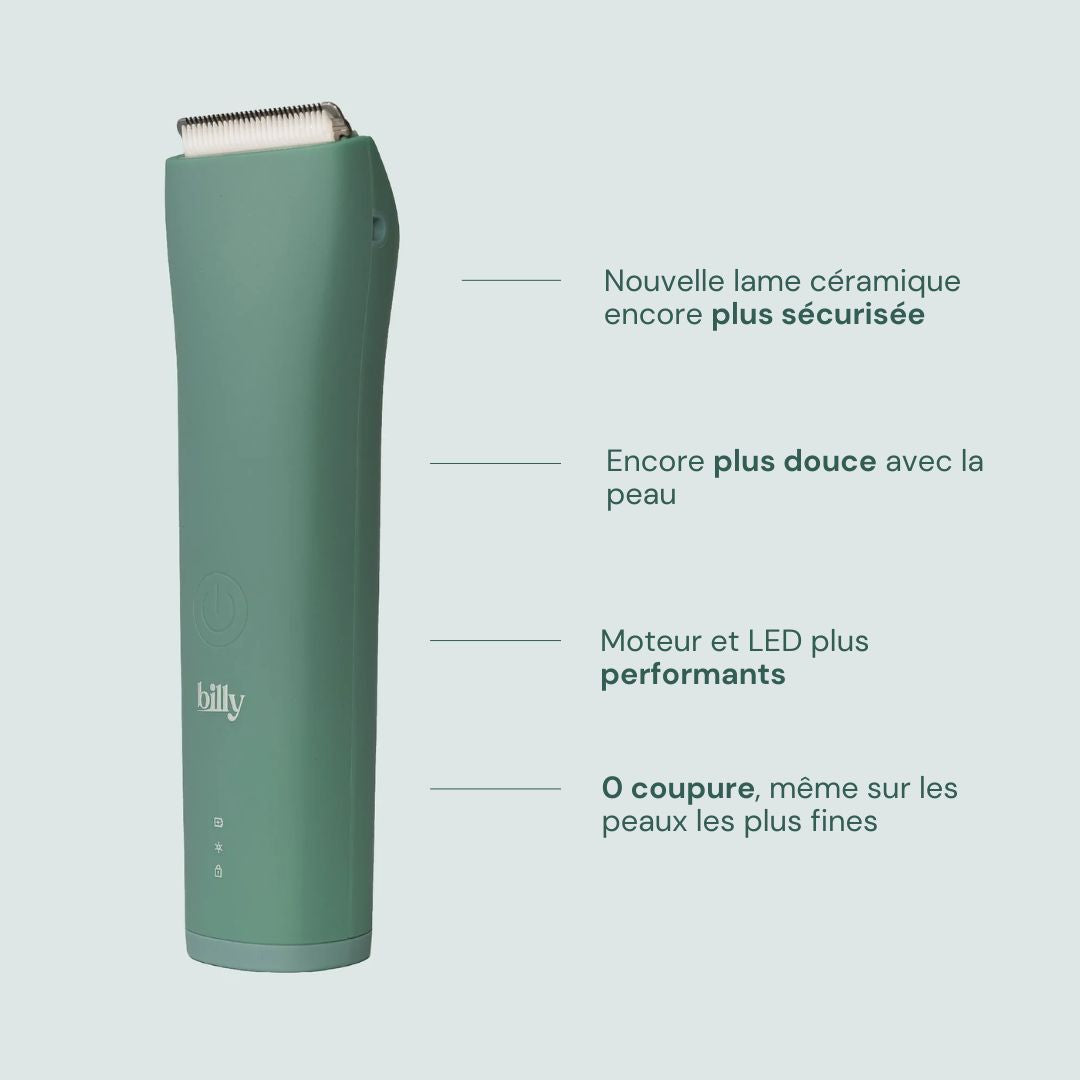
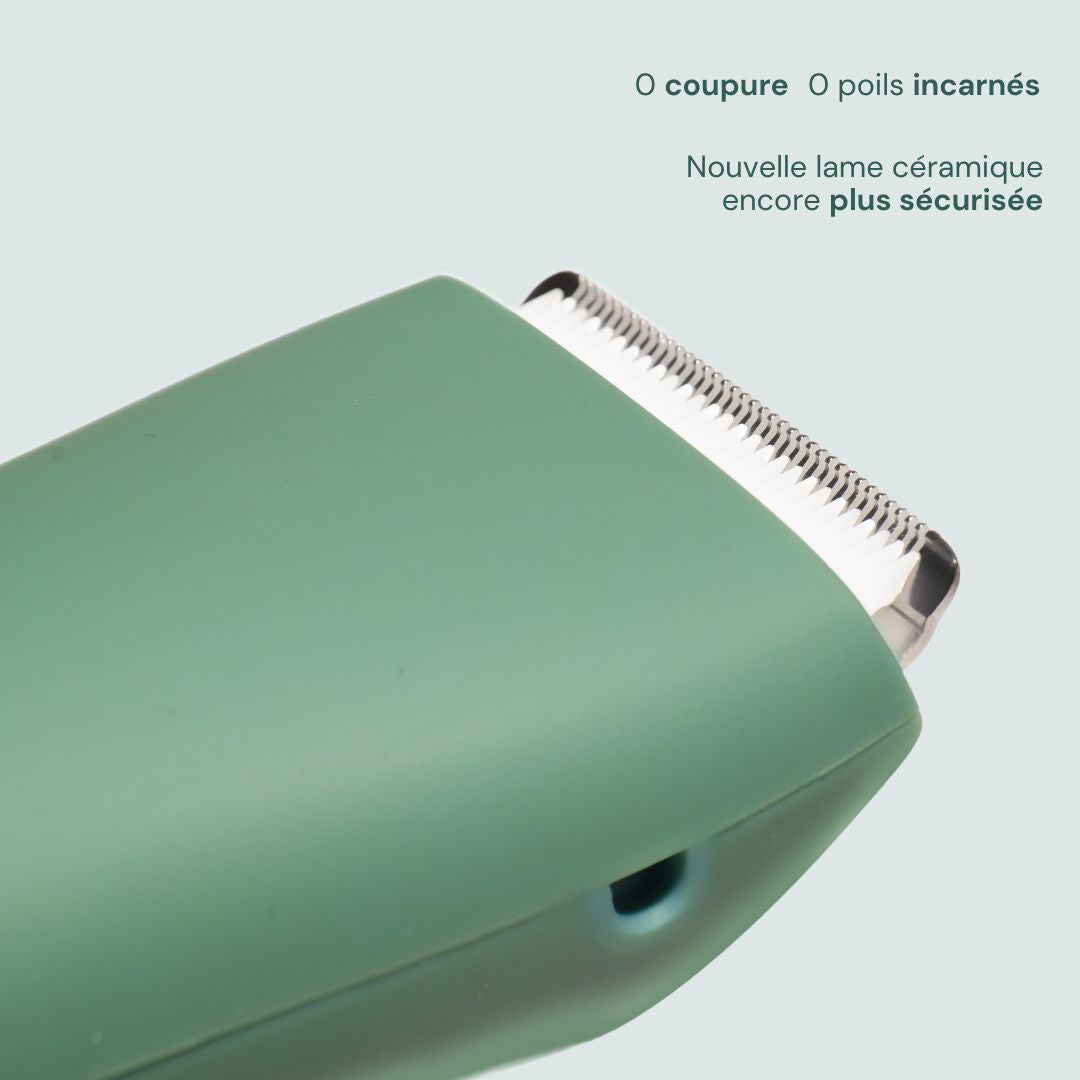
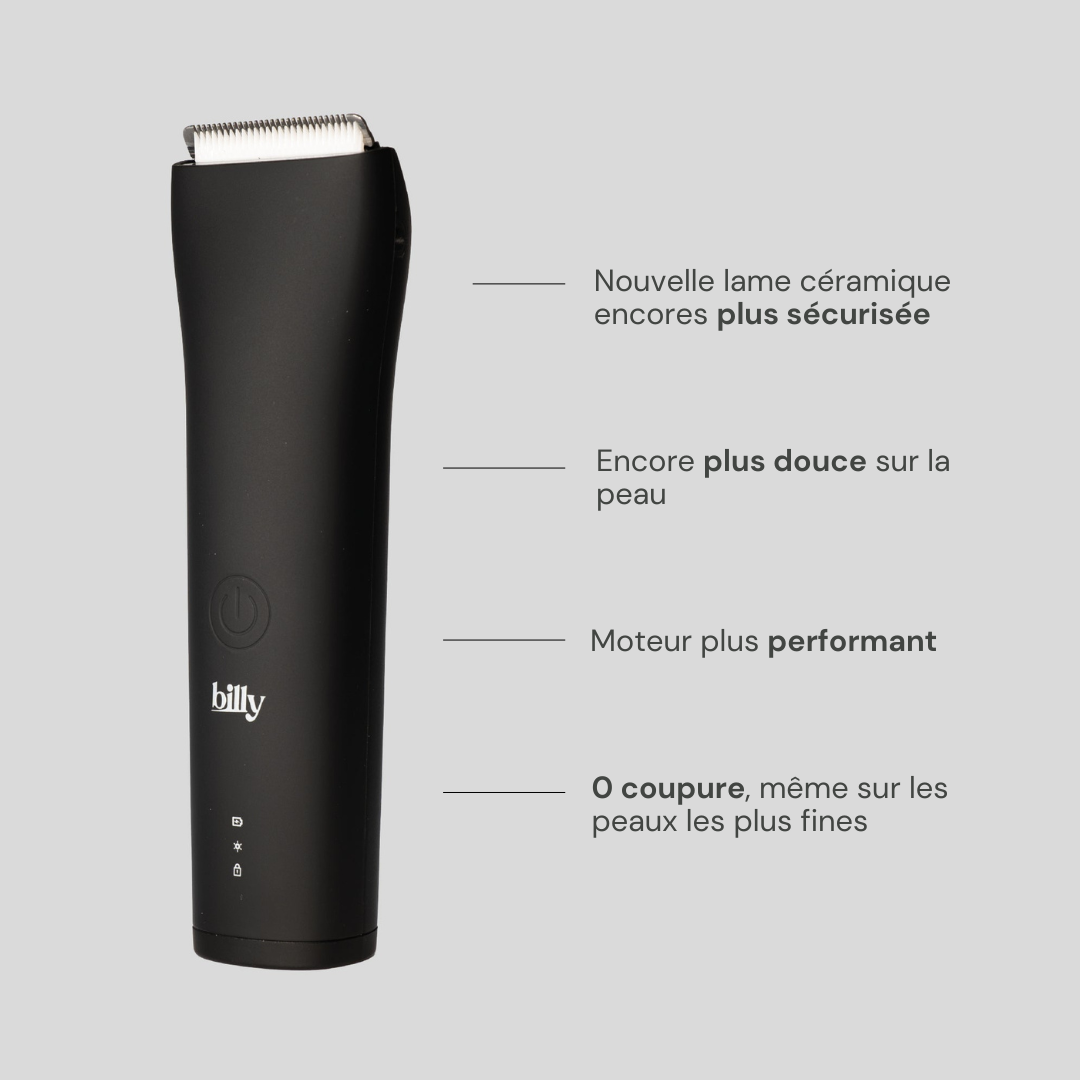
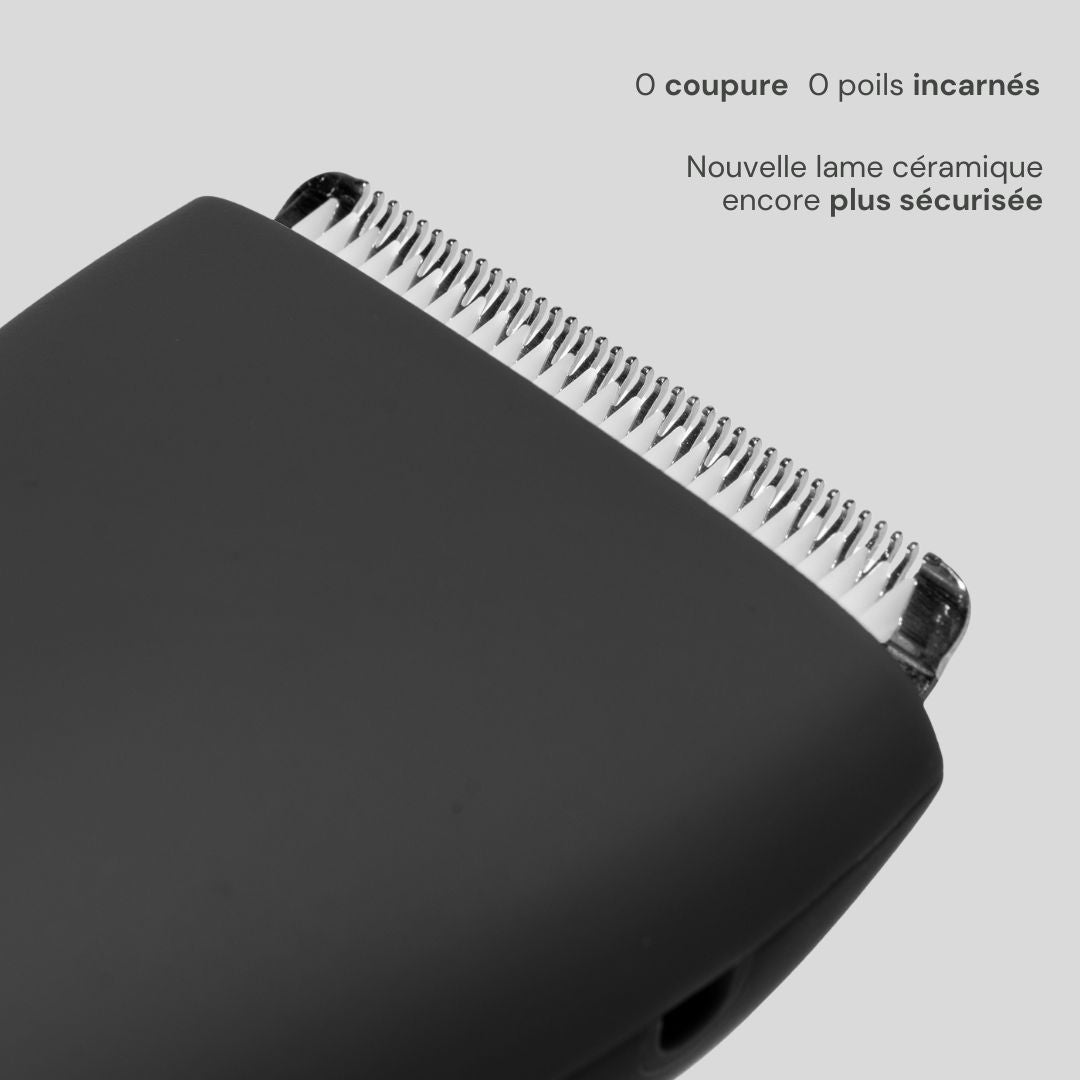
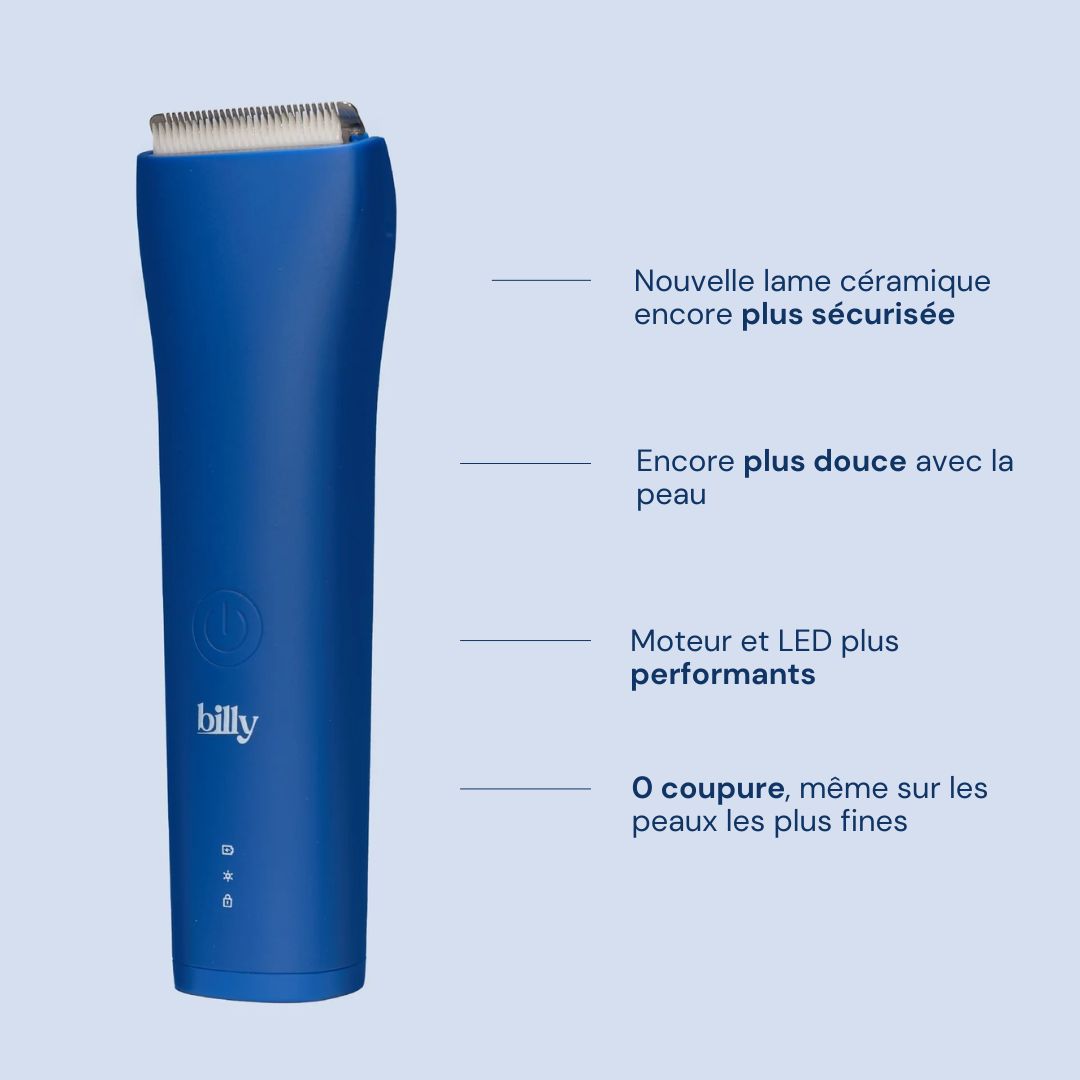
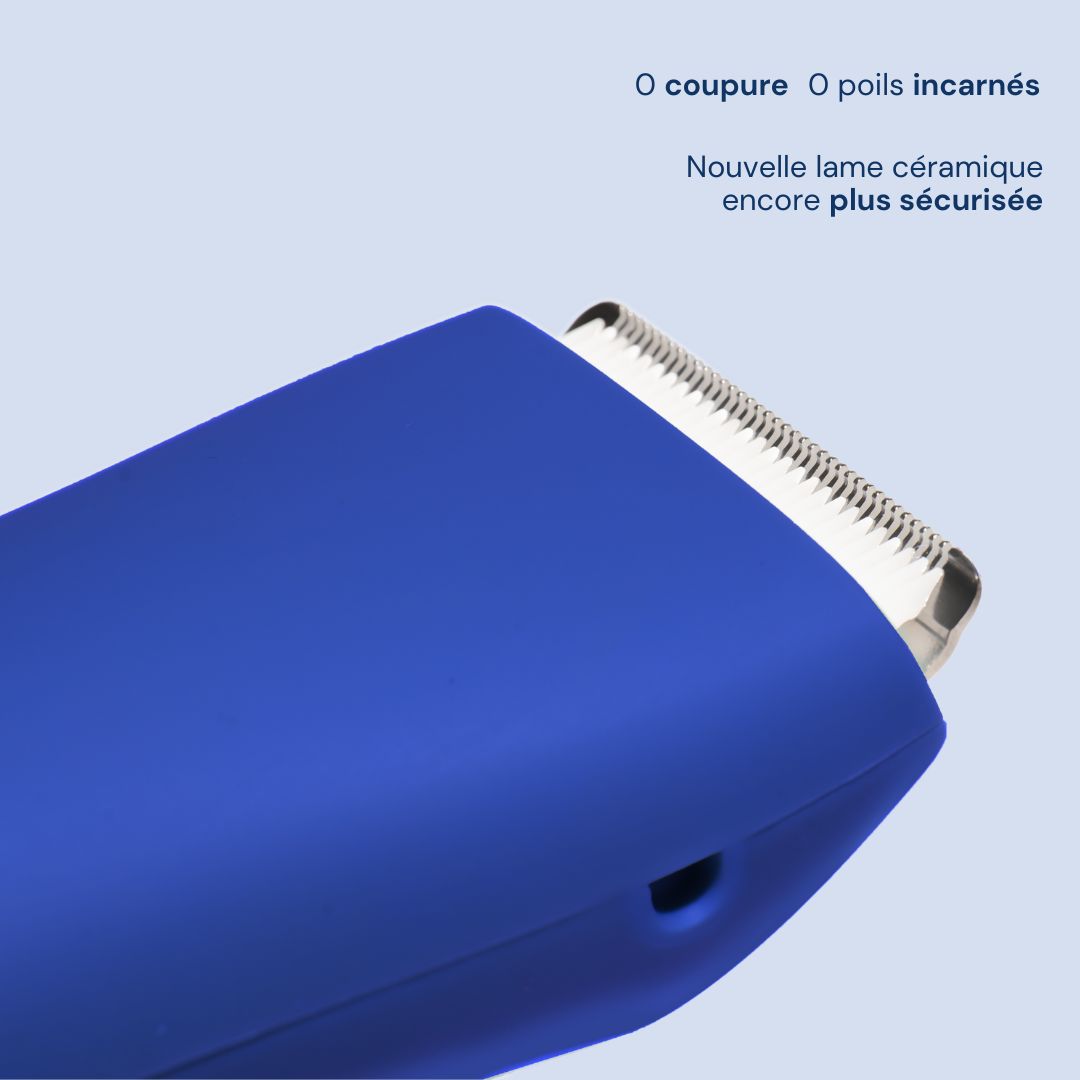
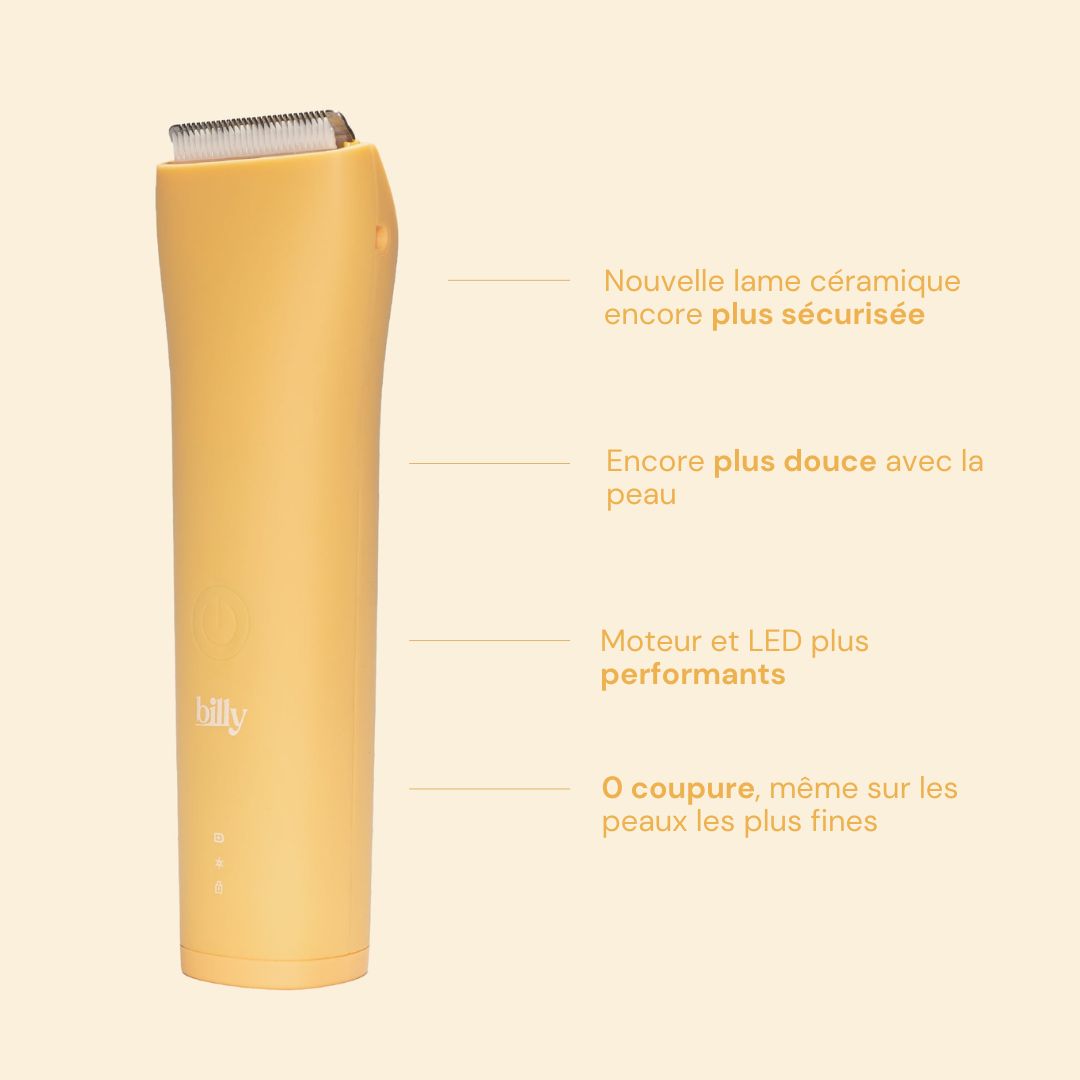
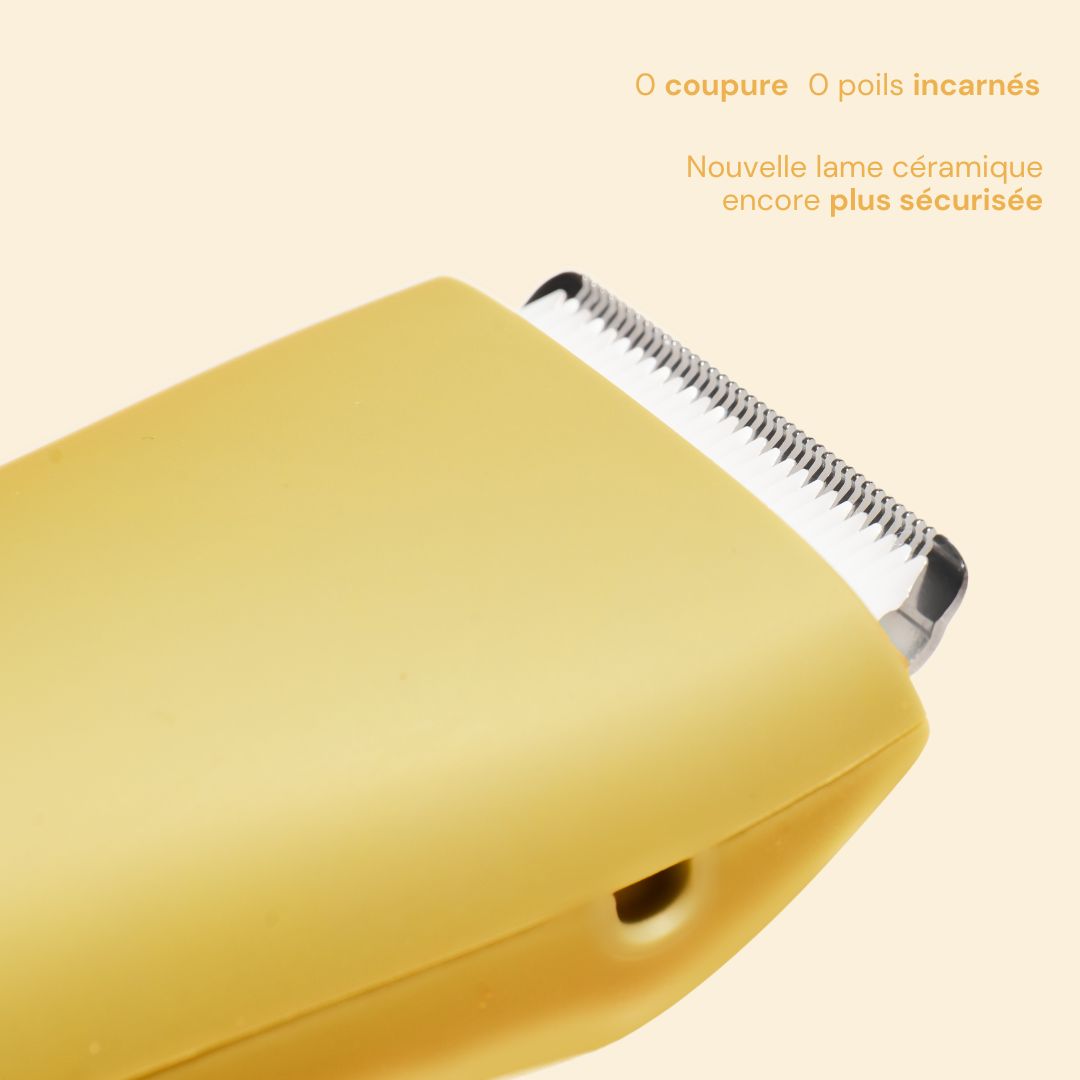
That’s precisely why the billy trimmer was designed. Its ceramic blade trims to 0 mm without ever touching the skin—zero cuts, zero irritation. It’s waterproof (you can use it in the shower, which is even the ideal time), equipped with an LED so you don’t miss anything in difficult-to-reach areas, with five cutting lengths up to 12 mm depending on your preference. And the USB-C charger takes ten seconds to connect, which is why billy is an ideal intimate trimmer for men.
“When we created billy, we started with a simple observation: there was no product truly designed for intimate areas that was accessible, well-designed, and didn’t put you at risk with every use. We wanted a tool you could use without thinking about it, without stress. That’s exactly what we created.”
— Philippe, co-founder of billy
“Honestly, I was nervous at first, but after the first use I understood. It’s smooth, fast, and above all—zero injuries. I now use it in the shower every week.”
— Mathieu, billy customer ⭐⭐⭐⭐⭐
For post-trim care, a soothing gel or cream containing aloe vera or azelaic acid calms the skin and prevents ingrown hairs. Avoid applying fragranced products directly afterward—the skin has just been stimulated, and fragrances can cause stinging.
Want to learn more about this topic? We have a complete guide to choosing an intimate trimmer and a guide to safe testicle shaving if you want to master the subject from A to Z.
Which products?
-
Multi-length body trimmer
Waterproof model with 3 to 12 mm guards for the chest, armpits, and legs. Clean trimming without irritation on large areas. -
billy intimate trimmer with ceramic blade
Protected blade with no skin contact, integrated LED, waterproof. Perfect for the pubic area and sensitive zones, with travel modes for zero stress. -
Soothing post-trim gel
With aloe vera or azelaic acid, it soothes redness and prevents ingrown hairs. Fragrance-free, with rapid post-shave absorption.
Hands, feet, and nails: the forgotten aspects of men’s grooming
Let’s be honest: hands and nails are often what others notice second, right after the face. A handshake, a gesture, a cup of coffee being offered—hands speak. Neatly trimmed nails and moisturized hands give an impression of overall care that people pick up on unconsciously.
The minimum equipment: quality nail clippers (good stainless steel nail clippers are inexpensive and last for years), a file to smooth the edges, and hand cream. Cut your nails after a shower when they are softened—this prevents the edges from splitting. A light filing after cutting is enough for a neat finish.
The same principle applies to feet, but they are neglected even more. Calluses on the heels are very common among men—a pumice stone used once a week in the shower and a urea foot cream applied at night are enough to control them. Toenails should be cut straight across, not curved, to prevent ingrown toenails—a small tip that avoids quite a lot of discomfort.
If your hands are particularly dry because of manual work or exposure to the cold, a repairing cream with urea (10–15%) or glycerin applied at night works wonders within a few weeks.
Which products?
-
Precision stainless steel nail clippers
Sharp blades for a clean cut without cracks, built to last for years. Ideal after a shower when nails are softened. -
Repairing urea hand cream
10–15% urea or glycerin for dry, rough skin. Deeply moisturizes and absorbs quickly without leaving a greasy residue. -
Pumice stone + urea foot cream
Heel duo: use a pumice stone once a week and apply cream at night. Controls calluses and prevents ingrown toenails.
Oral hygiene: the foundation that changes everything
It is difficult to talk about complete grooming without mentioning the mouth. A healthy smile and fresh breath—it is basic, but an integral part of your overall appearance. And yet men’s oral hygiene is often underestimated or poorly carried out.
The recommended routine, twice a day, morning and evening: brush for two minutes with a soft-bristle toothbrush (hard bristles are too harsh on the gums), use a suitable fluoride toothpaste (for sensitivity, whitening, or gum protection according to your needs), then floss or use an interdental brush for areas the toothbrush cannot reach—about 35% of the tooth surfaces. Mouthwash is useful as a supplement but does not replace brushing or flossing.
The often-overlooked tip: change your toothbrush every eight to twelve weeks, or as soon as the bristles splay. A worn brush loses up to 30% of its effectiveness. This is not insignificant.
Which products?
-
Soft-bristle toothbrush
Rotating heads or a soft manual brush for healthy gums. Change every 3 months for maximum effectiveness. -
Fluoride toothpaste tailored to your needs
Depending on sensitivity, whitening needs, or gums: 1450 ppm fluoride for optimal cavity protection. -
Dental floss or interdental brushes
Light wax for easy cleaning, removes 35% of the residue missed by a brush.
Grooming on the go: the ideal travel kit in 2026
Business trip, sporty weekend, last-minute work travel—your grooming routine shouldn't stop just because you're away from home. The good news: an effective grooming routine fits in a 20-centimeter toiletry bag.
Travel-kit essentials: a mini solid shampoo or a 100 ml size (airline-cabin compliant), a mini shower gel or compact soap, a travel-size deodorant, a razor or compact trimmer, a folding toothbrush with mini toothpaste, a small combined face and hand moisturizer, and a travel-size intimate cleanser if you use one daily.
For the trimmer, travel mode is a real plus. The billy has an integrated travel mode that locks the power button to prevent unpleasant surprises in your bag. It's compact, lightweight, and charges via USB-C directly from a powerbank or universal adapter—no specific mains adapter required.
For the gym, the logic is the same: a streamlined kit in your gym bag with the bare essentials. You don't need to recreate your bathroom—just enough to feel presentable and clean after your workout.
Which products?
-
100 ml shampoo + shower gel
Airline-cabin size, an effective 2-in-1 for hair and body while traveling. -
Multi-purpose moisturizer
Face + hands + body, optional SPF, all compressed into one tube. -
Your billy trimmer with USB-C for travel
Safety lock, powerbank charging or charging with your phone charger, for quick maintenance anywhere.
How to choose the right products for your grooming routine
There are thousands of products at every price point, often with promises that are greater than the results. How do you find your way around? A few simple principles.
First, read the labels. You don't need to be a chemist—focus on two or three things: the pH (for cleansers, it should be close to the skin's pH, around 5–6), the key active ingredients (hyaluronic acid for hydration, niacinamide for pores and radiance, retinol for anti-aging, zinc for oily skin), and ingredients to avoid depending on your sensitivity (denatured alcohol high on the ingredient list if you have dry skin, fragrances if you have reactive skin).
Next, set your budget. You don't need to buy everything high-end. Some products are worth the investment: a good moisturizing sunscreen, a shampoo truly suited to your hair type, and a quality intimate trimmer that won't hurt you. Others are interchangeable regardless of the price range: body wash, dental floss, and a toothbrush.
Finally, consistency beats sophistication. A simple routine followed every day will always deliver better results than an elaborate routine followed three times a month.
FAQ – Men's grooming essentials: your questions, our answers
What is the minimum number of products for a simple grooming routine?
With five products, you already cover the essentials: a face cleanser, moisturizer with SPF, deodorant, suitable shampoo, and a gentle body wash. If you want to add intimate care, an intimate trimmer is one of the essentials. That makes six products for a truly complete routine.
How often should you replace a razor or trimmer blade?
A disposable-blade razor should be replaced every five to ten uses at most—a dull blade pulls on the hair and causes irritation. For an intimate trimmer, we recommend changing the blade every three to six months, depending on how often it is used. The Billy ceramic blade is available for €29 as a replacement—a minimal cost for optimal, risk-free results.
Does a complete grooming routine take a lot of time?
No. A well-established daily routine takes ten to fifteen minutes in total, including a shower. The weekly routine (exfoliation, nails, grooming) adds another twenty to thirty minutes once a week. Everything else—changing the blade, getting a haircut—is monthly. Averaged out over the week, that amounts to less than an hour of total grooming.
Do you need a special cleanser for intimate areas?
Ideally, yes. The intimate area has a more acidic pH than the rest of the body, and a regular soap or body wash can disrupt this balance and cause irritation or itching. A gentle, fragrance-free cleanser with a suitable pH (between 3.5 and 4.5) is preferable, especially if you have sensitive skin.
What’s the difference between hygiene and grooming?
Hygiene covers the basics: washing, brushing your teeth, and controlling odors. Grooming goes further: it’s an active approach to self-care that includes the skin, hair, beard, body hair, and intimate areas, with products and tools suited to each need. It’s the difference between merely getting by and truly taking care of yourself.
Conclusion: where should you start your grooming checklist?
You now have a complete overview of what a well-structured men’s grooming routine looks like. But here’s the classic trap: trying to change everything at once and getting discouraged after a week.
The right approach is to start with three or four essentials. Choose the categories where you have the most to gain. For most men, that looks like this: a good facial cleanser + a moisturizer with SPF, a shampoo truly suited to your scalp, and an intimate trimmer for managing sensitive areas safely. Three adjustments, an immediately visible result.
Then, you can gradually upgrade. Add exfoliation, nail care, or eye care if you feel like it. There’s no right or wrong routine—there’s yours, one that adapts to your lifestyle and how you want to feel in your body.
Grooming isn’t about conforming to a standard. It’s about choosing how you take care of yourself. In 2026, this checklist is your starting point. What you do with it is up to you.
“We created billy because we believed that feeling good in your body shouldn’t be complicated. This checklist is the natural extension of that idea: giving you the tools for a routine that reflects who you are, without the hassle.”
— Philippe, co-founder of billy
Ready to get started? Discover the billy trimmer — the centerpiece of your grooming kit for intimate and sensitive areas. And if you want to explore these topics further, take a look at our article “Who is the intimate trimmer for?” and our guide to hair removal methods to compare all the options available to you.



Share on your networks: